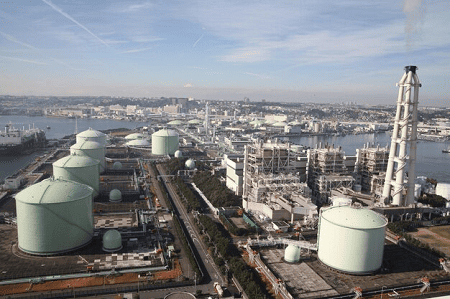

Hydrocarbons ?
Hydrocarbons are organic compounds made up of hydrogen and carbon atoms. They are the primary constituents of fossil fuels such as oil, natural gas, and coal. Hydrocarbons can be classified into two main categories based on their structure:
- Alkanes (Saturated Hydrocarbons): These hydrocarbons have single bonds between the carbon atoms. They follow the general formula CₙH₂ₙ₊₂. Examples include methane (CH₄), ethane (C₂H₆), and propane (C₃H₈).
- Alkenes (Unsaturated Hydrocarbons): These contain at least one double bond between carbon atoms. Their general formula is CₙH₂ₙ. Examples include ethene (C₂H₄) and propene (C₃H₆).
- Alkynes (Unsaturated Hydrocarbons): These contain at least one triple bond between carbon atoms, with the general formula CₙH₂ₙ₋₂. An example is ethyne (C₂H₂).
- Aromatic Hydrocarbons: These contain one or more benzene rings (C₆H₆) in their structure. Examples include benzene, toluene, and xylene.
Hydrocarbons are vital in various industries, particularly in energy production and manufacturing. They are used to produce fuels, lubricants, plastics, and chemicals. Their combustion is a major source of energy but also contributes to pollution and climate change.
What is required Hydrocarbons ?
The term “required hydrocarbons” could refer to hydrocarbons that are needed or essential for specific applications, industries, or processes. Depending on the context, “required hydrocarbons” might refer to the types of hydrocarbons that are necessary for:
- Energy Production:
- Fossil Fuels: Hydrocarbons like natural gas (methane, CH₄), crude oil, and coal are essential for generating electricity, heating, and as fuels for transportation.
- Refining and Petrochemical Industries: These hydrocarbons are required to produce various refined products such as gasoline, diesel, kerosene, and industrial chemicals.
- Chemical Synthesis:
- Hydrocarbons are used as feedstocks in the production of a wide range of chemicals like plastics, synthetic rubbers, fertilizers, and solvents.
- Aromatics like benzene, toluene, and xylene are key for producing plastics (e.g., polystyrene) and synthetic fibers (e.g., nylon).
- Industrial Applications:
- Hydrocarbons such as propane and butane are used in heating, cooking (LPG), and as fuel in certain industries.
- Lubricating oils, derived from hydrocarbons, are required in machinery for reducing friction and wear.
- Transportation:
- Hydrocarbons like gasoline (for cars) and jet fuel (for airplanes) are required for the transportation sector.
- Sustainability and Energy Transition:
- The requirement for hydrocarbons is also shaped by efforts to find more sustainable, less polluting energy sources. The transition away from hydrocarbons toward renewables (e.g., solar, wind) and electric vehicles is aimed at reducing dependence on hydrocarbons over time.
- Biotechnology and Health:
- Certain hydrocarbons or their derivatives are required in the pharmaceutical and cosmetic industries for producing active ingredients or formulations.
The specific hydrocarbons required depend on the application or industry, and they play a critical role in the global economy. However, the growing emphasis on environmental concerns and sustainable alternatives is gradually reducing the reliance on certain types of hydrocarbons, especially in energy and transportation sectors.
Who is required Hydrocarbons ?
Hydrocarbons are required by various industries, sectors, and applications due to their versatility as a source of energy, raw materials, and chemicals. Here are the key entities or groups that require hydrocarbons:
1. Energy and Power Generation Sector
- Power Plants: Fossil fuel-based power plants require hydrocarbons like natural gas, oil, and coal to generate electricity.
- Households and Commercial Users: Natural gas is commonly used for heating, cooking, and other residential needs.
- Transportation Industry:
- Automobile manufacturers and consumers require gasoline, diesel, and natural gas for fuel.
- Aviation industry relies on jet fuel, a derivative of crude oil.
- Shipping and freight companies need bunker fuel (a heavy form of oil) for powering large ships.
2. Petrochemical Industry
- Petrochemical Companies: These industries require hydrocarbons (mainly natural gas and crude oil) as feedstocks for producing chemicals, plastics, synthetic rubber, fertilizers, and other products.
- Polymer and plastic manufacturing: Hydrocarbons are essential in creating materials such as polyethylene, polypropylene, PVC, and others used in a wide range of consumer goods.
- Synthetic chemicals: Hydrocarbons are needed to produce fertilizers, solvents, detergents, and coatings.
3. Manufacturing and Industrial Sectors
- Refining Industry: The refining of crude oil to produce usable products such as gasoline, diesel, kerosene, and petrochemical byproducts is a critical part of the global energy supply chain.
- Lubricant Production: Hydrocarbons are required to produce oils and lubricants used in machines, engines, and industrial processes.
- Heavy Industries: Certain industries, like cement and steel manufacturing, may require hydrocarbons for energy or as chemical feedstocks.
4. Agriculture and Fertilizer Production
- Fertilizer Companies: Hydrocarbons, specifically natural gas, are used in the production of nitrogen fertilizers like ammonia, which are critical for modern agriculture.
- Pesticide and Herbicide Manufacturers: Certain hydrocarbons are used in the production of agricultural chemicals.
5. Consumer Goods and Chemicals
- Cosmetic and Pharmaceutical Industries: Hydrocarbons and their derivatives are essential in the formulation of products like perfumes, shampoos, lotions, and even certain medications.
- Cleaning Products Manufacturers: Hydrocarbons are used in detergents, solvents, and other cleaning agents.
6. Technology and Electronics
- Battery Manufacturers: While primarily focused on electric power, some hydrocarbons are used in the production of materials like graphite and certain chemicals for battery components.
- Electronic Industry: Some hydrocarbons are involved in the production of components or as solvents in cleaning and manufacturing processes.
7. Global Economies and Governments
- National Energy Suppliers: Governments and state-run enterprises are major consumers of hydrocarbons for both domestic use and export. Energy policies often rely heavily on oil and gas supplies to meet national demands.
- Export and Import Markets: Countries that are oil and gas exporters, like Saudi Arabia, Russia, and the United States, require hydrocarbons to generate revenue and fulfill energy demands both domestically and abroad.
8. Research and Development
- Academic and Research Institutions: Certain fields of research require hydrocarbons for experimentation and the development of alternative energy sources or new chemical processes.
In essence, hydrocarbons are required by virtually every sector in the modern global economy, from energy production and manufacturing to agriculture, transportation, and consumer goods. However, the global emphasis is shifting towards cleaner alternatives and renewable energy to reduce dependence on hydrocarbons, primarily due to concerns over environmental impacts like climate change.
When is required Hydrocarbons ?
The requirement for hydrocarbons arises at various times, depending on the specific needs of industries, economies, and sectors. Here are some contexts and periods when hydrocarbons are particularly required:
1. Energy Demand (Constant)
- Daily Consumption: Hydrocarbons are constantly required for energy production, such as in power plants, homes (for heating and cooking), and transportation (fuel for vehicles, airplanes, ships).
- Winter and Peak Seasons: The demand for hydrocarbons, especially natural gas and heating oil, tends to rise during colder months due to increased heating needs.
2. Transportation (Daily and Seasonal)
- Daily Operations: Gasoline and diesel are always required for vehicles (cars, buses, trucks), and the aviation industry requires jet fuel for daily flights.
- Holiday and Travel Seasons: During high-travel periods (e.g., summer vacations, holidays), the demand for fuel increases as people travel more by car, plane, or other modes of transport.
3. Industrial Manufacturing (Ongoing Basis)
- Production Cycles: Petrochemical plants, steel mills, cement factories, and other manufacturing industries need hydrocarbons year-round as feedstocks and energy sources for production.
- New Product Launches or Expansions: When a new industrial facility is built or a new product line is launched, there may be a short-term spike in the need for hydrocarbons.
4. Agricultural Seasons (Variable, Linked to Planting and Harvesting)
- Fertilizer Production: Hydrocarbons are required to produce fertilizers, particularly natural gas, which is used in the synthesis of ammonia. This demand often peaks ahead of planting seasons, as fertilizers are applied during sowing or pre-planting stages.
- Pesticide Manufacturing: The agricultural sector’s demand for hydrocarbons is often tied to growing seasons, with peaks in production before or during crop growth.
5. Winter Months (For Heating and Energy)
- Increased Heating Demand: During the colder months, countries or regions that rely on natural gas, heating oil, or coal for heating see a rise in demand for hydrocarbons to ensure homes and businesses are heated effectively.
- Electricity Generation: In regions that rely on hydrocarbon-based power plants (such as coal or natural gas), electricity demand during winter months can increase due to heating and higher energy consumption.
6. Economic Growth or Recovery (Varies)
- Fuel for Economic Activities: During periods of economic growth or recovery from recessions, the demand for hydrocarbons often rises due to increased industrial activity, transportation, and manufacturing processes.
- Post-Crisis Reconstruction: After major natural disasters or economic crises, there is often a surge in demand for hydrocarbons to power reconstruction efforts and fuel supply chains.
7. Geopolitical Events (Unexpected)
- Disruptions in Supply: Geopolitical tensions, conflicts, or natural disasters can create sudden surges in demand for hydrocarbons, as countries or industries stockpile reserves to safeguard energy supplies.
- Oil Price Fluctuations: The global oil market sees price and demand shifts based on geopolitical instability (e.g., conflicts in oil-producing regions), which can make hydrocarbons required on short notice for strategic stockpiling.
8. Seasonal Products (In Manufacturing Cycles)
- Chemical Manufacturing: Certain chemicals derived from hydrocarbons are required more heavily during specific product launch cycles, such as fashion seasons or when demand for consumer goods like packaging increases.
- Construction and Infrastructure Projects: During active building seasons (typically warmer months), the demand for petroleum-based products like asphalt increases for roadwork, construction, and infrastructure projects.
9. Energy Transition Periods (Ongoing but Declining)
- Interim Periods for Transition to Renewable Energy: During the transition to more sustainable and renewable energy sources, hydrocarbons are still required to bridge the gap. Countries and industries dependent on fossil fuels will continue to need them in the medium term until alternatives are fully developed and deployed.
In summary, hydrocarbons are required continuously but experience increased demand at specific times, such as during colder months for heating, peak travel seasons, and periods of economic or industrial growth.
Which is required Hydrocarbons ?
The term “required hydrocarbons” can be interpreted in different ways depending on the context. Generally, it refers to the types of hydrocarbons that are essential or needed by various industries, sectors, or processes. Here are the specific types of hydrocarbons required in various contexts:
1. Natural Gas (Methane, CH₄)
- Energy Production: Used for generating electricity in natural gas power plants.
- Residential and Commercial Heating: Commonly used for space heating, cooking, and hot water.
- Industrial Uses: Used as a feedstock in the petrochemical industry to produce hydrogen, fertilizers, and other chemicals.
- Transportation: Compressed natural gas (CNG) is used in vehicles, buses, and trucks.
2. Crude Oil (Petroleum)
- Fuel Production: Refined into gasoline, diesel, kerosene, and jet fuel for transportation.
- Lubricants: Used to produce oils and greases for industrial machines, engines, and vehicles.
- Petrochemical Feedstock: Essential for producing a variety of chemicals, including plastics, synthetic rubbers, solvents, and fertilizers.
- Asphalt: Used in road construction and paving.
- Heating Oil: Used in residential heating systems in certain regions.
3. Coal
- Power Generation: Used in coal-fired power plants for electricity production.
- Steel Manufacturing: Coking coal is essential in producing steel.
- Industrial Use: Certain industries still rely on coal for high-temperature processes.
4. Liquefied Petroleum Gas (LPG)
- Residential and Commercial Use: Used for heating, cooking, and hot water in areas without natural gas infrastructure.
- Transportation: Used in some vehicles as an alternative to gasoline and diesel (auto LPG).
- Industrial Applications: Used as a fuel in industrial processes like metal cutting and drying.
5. Petrochemical Products (Derived from Hydrocarbons)
- Aromatics (e.g., Benzene, Toluene, Xylene): Used in manufacturing plastics (e.g., PET), synthetic fibers (e.g., nylon), and resins.
- Olefin Products (e.g., Ethylene, Propylene): Used in producing plastics, synthetic rubbers, and other chemicals.
- Synthetic Fuels: Produced from natural gas or coal in some regions for fuel needs (e.g., GTL – Gas-to-liquid fuels).
6. Gasoline (Petrol)
- Transportation: Gasoline is the primary fuel used in cars, motorcycles, small engines, and some airplanes.
- Industrial Equipment: Some smaller industrial equipment, such as generators and lawnmowers, run on gasoline.
7. Diesel
- Heavy-Duty Vehicles: Diesel is widely used in trucks, buses, and freight vehicles.
- Marine and Aviation Fuel: Diesel fuels certain types of ships and airplanes.
- Electricity Generation: Used in diesel power plants or backup generators.
8. Kerosene
- Jet Fuel: The primary fuel used in commercial aircraft.
- Heating: Used as a heating fuel in certain regions, especially in areas where natural gas is not available.
- Industrial Applications: Used as a solvent or as a cleaning agent in various industries.
9. Butane and Propane
- Liquefied Gas for Cooking and Heating: Often used in bottled gas for camping, cooking, and heating in places where other fuels are not available.
- Petrochemical Feedstocks: Used to produce ethylene and propylene, which are key chemicals in the production of plastics, solvents, and other products.
10. Ethane (C₂H₆)
- Petrochemical Industry: Ethane is primarily used as a feedstock for producing ethylene, a major raw material in the production of plastics like polyethylene.
11. Heavy Fuel Oils (Bunker Fuel)
- Shipping Industry: Used in large ships, particularly those running on marine fuel.
- Industrial Boilers: Sometimes used in boilers for generating heat or power in industries.
12. Synthetic Hydrocarbons (Fischer-Tropsch Synthesis)
- Alternative Fuels: Produced from coal or natural gas in a process known as Fischer-Tropsch synthesis, creating synthetic fuels like diesel or gasoline.
- Energy Applications: These fuels are used in regions that have limited access to crude oil.
Conclusion:
The required hydrocarbons depend on the specific industry, process, or application. Commonly, hydrocarbons such as natural gas, crude oil, gasoline, diesel, and propane are in high demand across energy, transportation, manufacturing, and petrochemical sectors. As the world shifts towards sustainability, the use of hydrocarbons is gradually being supplemented by renewable energy sources, but they remain integral to many industries.

How is required Hydrocarbons ?
The requirement for hydrocarbons is typically determined by their availability, demand, and use across various sectors of the global economy. The “how” in terms of “how hydrocarbons are required” involves several factors, including extraction, production, distribution, and consumption processes. Below are the key ways in which hydrocarbons are required:
1. Extraction and Production
- Drilling for Crude Oil: The primary method of obtaining hydrocarbons like crude oil involves drilling into the Earth’s crust. Crude oil is extracted from underground reservoirs or offshore platforms using advanced drilling technology.
- Natural Gas Extraction: Natural gas is extracted from onshore or offshore fields, often alongside crude oil. It can also be produced from shale deposits via hydraulic fracturing (fracking).
- Coal Mining: Coal is extracted via mining operations, both from underground and surface mines, to be used as an energy source.
- Hydrocarbon Refining: After extraction, crude oil and natural gas are sent to refineries where they are processed into various products like gasoline, diesel, jet fuel, and petrochemicals.
2. Processing and Refining
- Crude Oil Refining: Crude oil is refined to separate and convert it into usable products. The refining process involves distillation, cracking, and reforming to produce products like gasoline, diesel, kerosene, and lubricants.
- Natural Gas Processing: Raw natural gas is processed to remove impurities like water, sulfur, and carbon dioxide, resulting in purified natural gas for distribution and use.
- Petrochemical Production: Petrochemicals are produced from hydrocarbons using processes like cracking or steam reforming to create chemical products like plastics, synthetic fibers, rubber, and fertilizers.
3. Transportation and Distribution
- Pipeline Systems: Natural gas and oil are transported over long distances via pipelines, which are the most efficient and cost-effective way to move large quantities of hydrocarbons.
- Shipping and Tankers: Liquid hydrocarbons like crude oil and refined products are transported globally by large tankers or freight ships, especially for international trade.
- Trucking and Rail: For shorter distances, hydrocarbons are transported by trucks or rail to reach local refineries, gas stations, or industrial users.
- Liquefied Natural Gas (LNG): Natural gas is sometimes cooled to liquefy it (LNG), allowing it to be transported by ships to regions without pipeline infrastructure.
4. Consumption and Usage
- Energy Generation:
- Power Plants: Natural gas, coal, and oil are burned in power plants to generate electricity. Natural gas is increasingly being used in combined-cycle plants for more efficient energy production.
- Industrial Boilers: Hydrocarbons are burned in boilers to generate steam for industrial processes.
- Transportation:
- Vehicles: Gasoline and diesel are required to fuel cars, trucks, buses, and other vehicles.
- Aviation and Shipping: Jet fuel (derived from kerosene) is used in airplanes, and diesel or bunker fuel is used in shipping.
- Heating: Natural gas, propane, and heating oil are used for residential and commercial heating during colder months.
- Manufacturing: Hydrocarbons are required as feedstock in the production of chemicals, plastics, fertilizers, synthetic materials, and other industrial goods.
- Petrochemical Products: Hydrocarbons are used as feedstocks for producing a wide range of products, including plastics (e.g., polyethylene, PVC), synthetic rubbers, solvents, detergents, and medicines.
5. Storage and Stockpiling
- Strategic Reserves: Countries and corporations often stockpile hydrocarbons in reserves to ensure energy security, especially during times of geopolitical instability, supply disruptions, or price fluctuations.
- Storage Facilities: Large-scale storage facilities are used to store liquid hydrocarbons (oil and LPG) and natural gas in underground or above-ground tanks for future use.
6. Technological and Environmental Considerations
- Energy Transition: While hydrocarbons are still required for various applications, their usage is being replaced or supplemented by renewable sources like wind, solar, and hydrogen. As a result, energy systems are becoming more diversified, with hydrocarbons being phased out in some sectors.
- Carbon Capture and Storage (CCS): Technologies to reduce the environmental impact of hydrocarbon use, such as carbon capture and storage (CCS), are being developed to capture CO₂ emissions from hydrocarbon combustion and store them underground to mitigate climate change.
Conclusion:
Hydrocarbons are required because they play an essential role in providing energy, transportation, industrial processes, and chemical products. The demand for hydrocarbons drives global trade, production, and technological development, but with increasing concerns over sustainability and the environment, there is a growing push to find alternative energy solutions. The “how” hydrocarbons are required involves a complex network of extraction, refining, transportation, and consumption in various sectors.
Case study is Hydrocarbons ?
A case study on hydrocarbons typically focuses on real-world examples of their extraction, production, refining, usage, and environmental impacts. Below is a comprehensive example of a case study on hydrocarbons, focusing on the global oil and gas industry.
Case Study: The BP Deepwater Horizon Oil Spill (2010)
Background
The Deepwater Horizon was an offshore drilling rig operated by Transocean and owned by BP. On April 20, 2010, while drilling an exploratory well in the Macondo Prospect in the Gulf of Mexico, a blowout occurred, leading to one of the most significant environmental disasters in history.
BP was attempting to drill a well 5,000 feet beneath the ocean surface, targeting oil and natural gas deposits. However, the well was not properly sealed, and a surge of oil and gas surged to the surface, igniting the rig and causing an explosion.
The Hydrocarbon Release
- Amount of Oil Spilled: It is estimated that approximately 4.9 million barrels of oil were released into the Gulf of Mexico over 87 days before the leak was sealed. This is considered one of the largest environmental disasters in terms of oil spill volume.
- Hydrocarbon Impact: The spill released crude oil and methane, both of which are hydrocarbons. The presence of methane in the water created an oxygen-deprived environment, devastating marine life and ecosystems.
Environmental Impact
- Marine Ecosystem: The spill contaminated beaches, wetlands, and offshore habitats. Thousands of marine creatures, including fish, dolphins, and sea turtles, were killed due to the toxic effects of the oil and the reduction of oxygen levels in the water.
- Air Quality: The combustion of the oil and gases also released large amounts of volatile organic compounds (VOCs), contributing to air pollution and smog formation.
- Wildlife: Various species of birds, fish, and marine mammals were affected by the oil slick and by ingesting or coming into contact with the oil, leading to widespread contamination of wildlife habitats.
Economic Impact
- Fishing Industry: The Gulf of Mexico is a key area for commercial fishing, and the spill caused severe disruptions to the industry. Fishing was halted for months, leading to a significant loss of income for local fishermen and related businesses.
- Tourism: The oil spill also had a major effect on tourism. Beaches and coastal areas were closed for months, and visitors avoided the area due to concerns over environmental damage.
- Cost to BP: The total cost of the spill to BP has been estimated at $65 billion, including compensation claims, legal fees, clean-up efforts, and regulatory fines.
Response and Actions Taken
- Containment Efforts: BP attempted several methods to contain the oil, including using a containment dome, top kill (injecting heavy mud into the well), and the eventual use of a capping stack to seal the well.
- Clean-Up: Over 47,000 personnel were involved in the clean-up, which included skimming oil from the water, dispersing chemicals to break down the oil, and using booms to prevent oil from spreading further.
- Restoration: Efforts to restore the marine and coastal ecosystems are ongoing, with many areas still recovering from the long-term effects of the spill.
Legal and Regulatory Changes
- Regulation: The disaster led to significant changes in offshore drilling regulations. The U.S. government enacted stricter regulations on drilling safety, including the requirement for blowout preventers (BOPs) and increased inspections.
- Litigation: BP faced numerous lawsuits, including from the U.S. government and private citizens. The company was fined for violations of the Clean Water Act and ordered to pay billions in compensation.
Technological and Operational Insights
- Drilling Technology: The Deepwater Horizon incident highlighted the limitations and risks of deepwater drilling technology. Despite advancements, the blowout preventer failed to stop the flow of oil, raising questions about the adequacy of safety measures in place.
- Hydrocarbon Spill Prevention: Since the spill, much emphasis has been placed on developing technologies to prevent spills, including remote-operated vehicles (ROVs) for subsea intervention, improved BOP technology, and enhanced safety and risk assessments during drilling operations.
Lessons Learned
- Risk Management: The BP spill underscores the importance of proper risk management in high-risk industries, especially those involving hydrocarbons. Companies need to implement stringent safety measures, conduct regular safety drills, and ensure that disaster response systems are in place.
- Environmental Responsibility: The spill led to a renewed focus on corporate social responsibility (CSR) and the need for energy companies to take greater responsibility for the environmental consequences of their activities.
- Technology and Innovation: The need for continued innovation in technology to prevent and mitigate environmental disasters is clear. This includes the development of new drilling technologies, spill containment methods, and better understanding of the environmental impacts of hydrocarbons.
Conclusion
The Deepwater Horizon disaster is a stark reminder of the risks associated with extracting and using hydrocarbons. It highlights the need for proper safety measures, environmental protection, and regulatory oversight in the energy industry. The case study also illustrates the complex relationship between the extraction of hydrocarbons, environmental protection, and the socioeconomic effects of such industries.
This event has changed the way governments and businesses approach offshore drilling and energy production, with far-reaching impacts on industry standards, environmental policies, and the future of fossil fuels.
White paper on Hydrocarbons ?
White Paper on Hydrocarbons: Challenges, Opportunities, and the Future of Energy
Introduction
Hydrocarbons, primarily in the form of crude oil and natural gas, have been the backbone of global energy systems for over a century. These fossil fuels power industries, transport systems, and electricity generation worldwide. However, as concerns over environmental sustainability, climate change, and the need for clean energy sources continue to grow, the future of hydrocarbons is being questioned. This white paper provides a comprehensive analysis of the current state of hydrocarbons, their economic significance, environmental impact, and future prospects.
1. Overview of Hydrocarbons
Hydrocarbons are organic compounds composed solely of carbon and hydrogen atoms. They are classified into two main categories:
- Crude Oil: Liquid hydrocarbons extracted from underground reservoirs. It is refined to produce various products like gasoline, diesel, jet fuel, and petrochemicals.
- Natural Gas: Primarily composed of methane, natural gas is found in underground reservoirs and is used for electricity generation, heating, and as a raw material for petrochemical production.
These fossil fuels are crucial components of the global energy mix, providing about 80% of the world’s total energy consumption, with oil and gas comprising over 60% of global energy demand.
2. The Role of Hydrocarbons in the Global Economy
The economic significance of hydrocarbons is profound, especially in energy-dependent industries and transportation. The oil and gas industry plays a pivotal role in driving global economies, creating jobs, and fostering international trade.
- Energy Sector: Oil and natural gas are vital for electricity generation, heating, and industrial processes. Countries that are rich in hydrocarbon resources often rely heavily on these for energy production.
- Transportation: Petroleum-based fuels, such as gasoline and diesel, are essential for the transportation sector. They power vehicles, airplanes, ships, and rail systems worldwide.
- Petrochemical Industry: Hydrocarbons are the foundation of the petrochemical industry, which produces materials like plastics, fertilizers, synthetic rubber, and solvents.
3. Challenges Facing the Hydrocarbon Industry
Despite their importance, the hydrocarbon industry faces several challenges:
- Environmental Impact: The extraction, transportation, and combustion of hydrocarbons lead to the release of harmful greenhouse gases (GHGs) like carbon dioxide (CO2) and methane (CH4), contributing to climate change. Oil spills, like the Deepwater Horizon disaster, have raised concerns about the environmental risks associated with offshore drilling.
- Energy Transition: The shift toward renewable energy sources, such as solar, wind, and hydroelectric power, is accelerating as part of global efforts to reduce carbon emissions. This transition is creating significant pressure on the oil and gas industry to adapt or face declining demand in the future.
- Geopolitical Risks: Hydrocarbon-rich regions often face political instability, leading to disruptions in oil and gas production and pricing. Trade conflicts, sanctions, and the concentration of resources in politically sensitive areas (e.g., the Middle East, Russia) create uncertainties in global energy markets.
- Sustainability and Resource Depletion: As easily accessible hydrocarbon reserves decline, the industry is being forced to explore more challenging extraction sites, such as deepwater reserves, oil sands, and shale oil, which come with higher costs and environmental risks.
4. Innovations in Hydrocarbon Extraction and Usage
Despite these challenges, significant innovations are transforming the hydrocarbon sector. Some of the key technological advancements include:
- Enhanced Oil Recovery (EOR): Techniques like CO2 injection, thermal recovery, and chemical flooding are being employed to extract more oil from existing fields, extending the life of hydrocarbon reservoirs.
- Hydraulic Fracturing (Fracking): The development of hydraulic fracturing has enabled the extraction of shale oil and gas, revolutionizing the global energy landscape, particularly in the United States.
- Carbon Capture and Storage (CCS): To mitigate the environmental impact, CCS technologies are being developed to capture CO2 emissions from the combustion of hydrocarbons and store them underground, preventing them from entering the atmosphere.
- Biofuels: There is increasing interest in biofuels as a cleaner alternative to petroleum-based fuels. Biofuels, such as ethanol and biodiesel, are produced from renewable sources and can help reduce the carbon footprint of transportation.
5. The Future of Hydrocarbons: A Shift Toward Sustainability
The future of hydrocarbons is deeply intertwined with global energy policies and climate goals. Although hydrocarbons are expected to remain a key part of the energy mix for the foreseeable future, their role is likely to evolve:
- Decarbonization Efforts: Governments around the world are setting ambitious climate goals, such as achieving net-zero emissions by 2050. This requires a transition away from fossil fuels, with hydrocarbons playing a diminishing role in the energy mix as renewable energy sources become more viable and widespread.
- Diversification of Energy Sources: The oil and gas industry is increasingly diversifying into the renewable energy sector. Major oil companies, including BP, Shell, and TotalEnergies, are investing in solar, wind, and electric vehicle infrastructure, signaling a shift in their business models.
- Energy Storage and Grid Innovation: As the reliance on intermittent renewable sources grows, energy storage solutions, such as batteries and hydrogen storage, will become increasingly important to ensure grid stability and reliability.
- Circular Economy: The petrochemical industry is exploring ways to create a circular economy, where products made from hydrocarbons can be recycled and reused, reducing waste and the environmental impact.
6. Conclusion
Hydrocarbons remain an indispensable part of the global energy system. They fuel industries, power transportation, and support the production of everyday goods. However, the environmental challenges associated with their extraction and use cannot be ignored.
To ensure the future sustainability of energy systems, a balanced approach must be taken, where hydrocarbons are managed responsibly while accelerating the transition to cleaner, renewable energy sources. Technological innovations, policy frameworks, and international collaboration will play pivotal roles in determining how the hydrocarbon sector evolves in the coming decades.
While hydrocarbons will likely continue to be required in the foreseeable future, their use must be part of a broader energy transition that minimizes environmental harm, addresses climate change, and fosters long-term global sustainability.
Recommendations
- Invest in Carbon Capture and Storage (CCS) to reduce emissions from the combustion of hydrocarbons.
- Encourage policy frameworks that promote cleaner energy sources while ensuring a fair transition for communities dependent on fossil fuels.
- Accelerate innovation in renewable energy technologies, such as solar, wind, and hydrogen, to reduce dependency on hydrocarbons in the long run.
- Foster international cooperation to develop and enforce regulations aimed at minimizing the environmental impacts of hydrocarbon extraction and usage.
This white paper calls for both the hydrocarbon industry and governments to collaborate in creating a cleaner, more sustainable energy future.
Industrial application of Hydrocarbons ?
Industrial Applications of Hydrocarbons
Hydrocarbons, primarily in the form of crude oil and natural gas, are essential to various industrial processes and applications. They serve as raw materials, energy sources, and chemicals in numerous industries. Here is an overview of the key industrial applications of hydrocarbons:
1. Energy Production
Hydrocarbons are a primary source of energy and are used extensively for electricity generation and heating in various industrial settings.
- Power Plants: Natural gas is widely used in gas turbines and combined cycle power plants to generate electricity efficiently.
- Heating: Both oil and gas are used to generate steam in industrial boilers for heating purposes, especially in industries like textiles, food processing, and chemical manufacturing.
- Cogeneration: This involves using the waste heat from natural gas-fired power plants to generate additional power or steam for industrial use.
2. Petrochemical Industry
Hydrocarbons are key feedstocks in the petrochemical industry, which produces essential chemicals used in a wide range of industrial applications.
- Polymer Production: Hydrocarbons are used to manufacture plastics (such as polyethylene, polystyrene, and polypropylene) that are vital in the automotive, construction, electronics, and packaging industries.
- Fertilizers: Natural gas is a primary feedstock for producing ammonia, a key ingredient in fertilizers, which is essential for the agriculture industry.
- Synthetic Rubber: Butadiene, derived from hydrocarbons, is used in the production of synthetic rubber for tires, footwear, and industrial products.
- Solvents: Hydrocarbons like toluene, xylene, and benzene are used as solvents in the production of paints, adhesives, and coatings.
3. Transportation
Hydrocarbons are crucial for fueling the global transportation system, which is the backbone of industrial supply chains.
- Fuel for Vehicles: Gasoline and diesel are the primary fuels used in automobiles, trucks, and buses, essential for transporting goods and people in industries like logistics, construction, and agriculture.
- Aviation Fuel: Jet fuel, derived from kerosene (a type of hydrocarbon), is used to power aircraft for commercial and industrial transportation of goods and passengers.
- Shipping: Marine fuel oil and bunker fuel, which are heavy hydrocarbon fuels, are used to power ships and cargo vessels for global trade.
4. Industrial Manufacturing
Hydrocarbons play a critical role in the manufacturing of various industrial products.
- Lubricants: Lubricating oils, derived from crude oil, are essential in reducing friction in machinery and engines, extending the life of industrial equipment in sectors such as mining, metalworking, and automotive.
- Greases and Waxes: Hydrocarbon-based products are used in the production of greases and waxes for machinery, packaging, and consumer goods.
- Bitumen: Bitumen, a heavy hydrocarbon, is used primarily in the construction industry for asphalt production, which is used in road construction and roofing materials.
5. Chemical Synthesis
Hydrocarbons are essential raw materials for synthesizing chemicals used in a wide range of industrial and consumer products.
- Acids: Hydrocarbons are used in the production of chemicals like acetic acid, formic acid, and propionic acid, which are used in the pharmaceutical, food, and agriculture industries.
- Alcohols: Hydrocarbons are key feedstocks for the production of methanol and ethanol, which are used as solvents, fuels, and intermediates in chemical manufacturing.
- Fertilizer Industry: As a primary feedstock for producing ammonia, hydrocarbons are integral to the production of nitrogen-based fertilizers, which support agriculture and food production.
6. Hydrogen Production
Natural gas is the most widely used source of hydrogen in industrial processes, including:
- Hydrogenation: In the chemical industry, hydrogen is used in the hydrogenation of oils and fats to produce margarine and other food products.
- Ammonia Production: As a feedstock for producing ammonia, hydrogen is crucial in the fertilizer industry.
- Refining: Hydrogen is also used in the refining of petroleum products, such as desulfurization of crude oil to produce cleaner fuels.
7. Pharmaceuticals
Hydrocarbons are utilized in the pharmaceutical industry to synthesize drugs, especially in the form of solvents or intermediates.
- Solvents for Drug Production: Hydrocarbons like toluene, ethanol, and acetone are used as solvents in drug synthesis and for creating formulations.
- Chemical Intermediates: Many pharmaceuticals are synthesized from petrochemicals, which are derived from hydrocarbons. Examples include antibiotics, analgesics, and antihistamines.
8. Construction and Infrastructure
Hydrocarbons are used in a wide range of construction applications, particularly in the production of materials like asphalt, paints, and insulation.
- Asphalt: As a byproduct of crude oil, bitumen is used in the asphalt industry for constructing roads, highways, and airport runways.
- Insulation Materials: Hydrocarbons are used to produce polyurethane foam and polystyrene foam, which are widely used for insulation in buildings, refrigeration, and packaging.
9. Environmental Applications
While hydrocarbons are associated with environmental challenges, they are also used in various applications aimed at improving environmental outcomes.
- Waste Treatment: Hydrocarbons are used in certain water treatment processes and in the cleaning of contaminated industrial sites.
- Carbon Capture: Hydrocarbons like methane are being explored in carbon capture technologies as part of efforts to reduce greenhouse gas emissions and mitigate climate change.
10. Emerging Applications
- Alternative Fuels: There is growing interest in hydrocarbons being used as feedstock for biofuels (such as bioethanol and biodiesel), synthetic fuels, and hydrogen to reduce reliance on traditional oil and gas sources while reducing carbon emissions.
Conclusion
Hydrocarbons remain integral to a wide variety of industrial applications across energy production, chemical synthesis, manufacturing, pharmaceuticals, and more. Despite growing calls for clean energy solutions, the dependence on hydrocarbons for these industrial applications continues due to their versatility and cost-effectiveness. However, as industries look toward sustainability, innovations in carbon capture, biofuels, and energy efficiency will likely alter the role of hydrocarbons in the coming decades.
Research and development of Hydrocarbons ?
Research and Development (R&D) in Hydrocarbons
The research and development (R&D) of hydrocarbons focuses on improving the efficiency, sustainability, and environmental impact of their extraction, refining, and utilization. Hydrocarbons, being a critical part of global energy and industrial systems, have spurred significant technological advancements. Here are key areas of research and development within the hydrocarbon industry:
1. Exploration and Extraction Technologies
R&D in this area focuses on discovering new reserves and improving extraction methods for oil and natural gas. As easily accessible reserves are depleting, the industry has turned to more complex extraction methods.
- Deepwater and Offshore Drilling: Research aims to develop safer and more cost-effective drilling technologies for oil and gas found in deepwater and offshore environments. Enhanced drilling fluids, seafloor robotics, and subsea processing technologies are crucial in these efforts.
- Hydraulic Fracturing (Fracking): R&D is focused on improving hydraulic fracturing techniques for extracting natural gas from shale deposits. Innovations include the use of new fracturing fluids, proppants, and in-situ monitoring technologies to enhance efficiency while minimizing environmental impact.
- Enhanced Oil Recovery (EOR): EOR techniques like carbon dioxide injection, thermal recovery, and chemical flooding are researched to extract more oil from existing wells that have passed their peak production. R&D focuses on improving these methods to increase yield and reduce costs.
2. Refining and Processing Technologies
R&D in hydrocarbon refining focuses on increasing the efficiency of conversion processes, reducing waste, and minimizing the environmental impact.
- Catalytic Cracking and Reforming: Research into more efficient catalysts aims to improve the cracking of heavy hydrocarbons into lighter, more valuable products like gasoline, diesel, and jet fuel. Catalysts that operate at lower temperatures and pressures can reduce energy consumption and costs.
- Hydrotreating and Hydrocracking: These are used to remove impurities like sulfur and nitrogen from crude oil. R&D is directed at developing next-generation catalysts and reactor designs that improve the efficiency and selectivity of these processes while lowering energy use.
- Carbon Capture and Storage (CCS): As global environmental regulations tighten, R&D in CCS technologies is crucial for capturing carbon dioxide (CO₂) emissions from refineries and power plants. Innovations in absorption, adsorption, and membrane separation technologies are being explored to reduce the carbon footprint of hydrocarbon processing.
- Biorefining: There is growing interest in using biological processes to refine hydrocarbons. Microbial bio-conversion and enzymatic processes are being researched to convert oil and gas into more sustainable products, reducing the environmental burden of traditional refining.
3. Sustainable and Cleaner Hydrocarbon Use
As concerns over climate change and pollution grow, R&D in this area seeks to make hydrocarbons cleaner and more sustainable.
- Cleaner Combustion Technologies: Research is focused on improving the combustion of hydrocarbon fuels to reduce harmful emissions such as nitrogen oxides (NOx), carbon monoxide (CO), and particulate matter. Combustion optimization through better engine designs and after-treatment systems is a key area.
- Alternative Fuels: There is ongoing research into producing biofuels, synthetic fuels, and hydrogen from hydrocarbons. Bioethanol, biodiesel, and synthetic natural gas (SNG) derived from hydrocarbons are explored to reduce the carbon footprint of the transportation and energy sectors.
- Gas-to-Liquid (GTL) Technology: GTL technology converts natural gas into high-value liquid hydrocarbons like synthetic fuels, which can be used in existing infrastructure and processes. R&D aims to make GTL more cost-effective and scalable.
4. Environmental and Health Impact Mitigation
The environmental impact of hydrocarbons—particularly in terms of pollution, oil spills, and greenhouse gas emissions—is a key focus of research.
- Oil Spill Response: Advances in oil spill detection, containment, and clean-up technologies are critical for minimizing the environmental impact of spills. Research focuses on biodegradable dispersants, oil sorbents, and microbial degradation to break down hydrocarbons in the environment.
- Soil and Water Remediation: Research in hydrocarbon remediation techniques involves methods to remove or neutralize hydrocarbons from contaminated sites. This includes bioremediation, where bacteria and other microorganisms degrade hydrocarbons in soil and water.
- Low-Carbon Energy Solutions: Researchers are exploring ways to reduce emissions associated with the use of hydrocarbons. This includes technologies such as bio-capture, where carbon dioxide is captured from bio-based sources, and alternative power generation systems that use hydrocarbons more efficiently.
5. Carbon Capture, Utilization, and Storage (CCUS)
As the need to mitigate the environmental effects of hydrocarbon consumption grows, R&D in CCUS technologies plays a critical role.
- Capture Technologies: Research aims to develop more efficient methods for capturing CO₂ from power plants and refineries, such as post-combustion capture, pre-combustion capture, and oxy-fuel combustion.
- CO₂ Utilization: Innovations in utilizing captured CO₂ for the production of chemicals, fuels, and materials—such as converting CO₂ into methanol, urea, and even carbon-based building materials—are being explored.
- Storage Solutions: Safe and secure storage of CO₂ deep underground in saline aquifers or depleted oil and gas reservoirs is a key area of research. Ensuring the long-term stability of these storage sites is vital to ensuring that CCUS is a viable long-term solution.
6. New Materials and Advanced Technologies
The development of advanced materials and technologies is vital to improve hydrocarbon production and reduce its environmental footprint.
- Advanced Materials for Drilling: Research into new drilling materials, such as high-performance alloys and nanomaterials, improves the efficiency and safety of drilling operations, especially in extreme environments like deep-sea and high-temperature conditions.
- Nanotechnology in Hydrocarbon Processing: Nanomaterials are being explored for enhanced oil recovery (EOR), water treatment, and catalysis in refining processes. Nanomaterials can increase efficiency, reduce energy consumption, and improve the selectivity of reactions.
7. Digital Technologies and Automation
Digitalization is transforming the hydrocarbon industry by improving safety, operational efficiency, and resource management.
- Artificial Intelligence (AI) and Machine Learning (ML): AI and ML algorithms are used to optimize exploration, extraction, and refining processes. These technologies improve predictive maintenance, reservoir management, and operational decision-making.
- IoT and Remote Sensing: Research into Internet of Things (IoT) technologies and remote sensing for real-time monitoring of drilling sites, pipelines, and refineries helps prevent accidents, leaks, and other safety hazards while improving efficiency.
- Automation and Robotics: Automated drilling rigs, robotic systems for offshore oil platforms, and drones for pipeline inspection are revolutionizing the hydrocarbon industry, reducing human labor and improving safety in hazardous environments.
Conclusion
The research and development of hydrocarbons are continuously evolving to meet the growing global demand for energy while reducing the environmental impact of their use. Innovations in extraction, refining, and utilization, coupled with advancements in sustainability technologies, hold the promise of a cleaner, more efficient future for the hydrocarbon industry. Additionally, as the world transitions toward clean energy solutions, R&D will be critical in finding ways to balance the continued use of hydrocarbons with the urgent need to address climate change and environmental degradation.
Courtesy : Competition Wallah
References
^ Jump up to:a b c d e f Silberberg, Martin (2004). Chemistry: The Molecular Nature Of Matter and Change. New York: McGraw-Hill Companies. ISBN 0-07-310169-9.
^ Jump up to:a b Schmidt, Roland; Griesbaum, Karl; Behr, Arno; Biedenkapp, Dieter; Voges, Heinz-Werner; Garbe, Dorothea; Paetz, Christian; Collin, Gerd; Mayer, Dieter; Höke, Hartmut (2014). “Hydrocarbons”. Ullmann’s Encyclopedia of Industrial Chemistry. pp. 1–74. doi:10.1002/14356007.a13_227.pub3. ISBN 978-3-527-30673-2.
^ Meierhenrich, Uwe (2008). Amino Acids and the Asymmetry of Life: Caught in the Act of Formation. Berlin: Springer. ISBN 978-3-540-76886-9. OCLC 288470227.
^ Barnes, I. “TROPOSPHERIC CHEMISTRY AND COMPOSITION (Aromatic Hydrocarbons)”. Retrieved 26 October 2020.
^ “Benzene global market volume 2015-2026”. Statista. Retrieved 5 December 2021.
^ Nunes, T.M.; Turatti, I.C.C.; Mateus, S.; Nascimento, F.S.; Lopes, N.P.; Zucchi, R. (2009). “Cuticular Hydrocarbons in the Stingless Bee Schwarziana quadripunctata (Hymenoptera, Apidae, Meliponini): Differences between Colonies, Castes and Age” (PDF). Genetics and Molecular Research. 8 (2): 589–595. doi:10.4238/vol8-2kerr012. PMID 19551647. Archived (PDF) from the original on 26 September 2015.
^ Calvin, Melvin (1980). “Hydrocarbons from plants: Analytical methods and observations”. Naturwissenschaften. 67 (11): 525–533. Bibcode:1980NW…..67..525C. doi:10.1007/BF00450661. S2CID 40660980.
^ Pawlik, Malgorzata (2017). “Hydrocarbon degradation potential and plant growth-promoting activity of culturable endophytic bacteria of Lotus corniculatus and Oenothera biennis from a long-term polluted site”. Environmental Science and Pollution Research International. 24 (24): 19640–19652. Bibcode:2017ESPR…2419640P. doi:10.1007/s11356-017-9496-1. PMC 5570797. PMID 28681302.
^ Smith, Michael B.; March, Jerry (2007), Advanced Organic Chemistry: Reactions, Mechanisms, and Structure (6th ed.), New York: Wiley-Interscience, p. 967, ISBN 978-0-471-72091-1
^ “Generating Electricity”. Canadian Electricity Association. Retrieved 5 December 2021.
^ Zou, Caineng; Zhao, Qun; Zhang, Guosheng; Xiong, Bo (1 January 2016). “Energy revolution: From a fossil energy era to a new energy era”. Natural Gas Industry B. 3 (1): 1–11. Bibcode:2016NGIB….3….1Z. doi:10.1016/j.ngib.2016.02.001. ISSN 2352-8540.
^ van Dijk, J.P. (2022); Unravelling the Maze of Scientific Writing Through the Ages: On the Origins of the Terms Hydrocarbon, Petroleum, Natural Gas, and Methane. Amazon Publishers, 166 pp. PaperBack Edition B0BKRZRKHW. ISBN 979-8353989172
^ Clayden, J., Greeves, N., et al. (2001) Organic Chemistry Oxford ISBN 0-19-850346-6, p. 21.
^ McMurry, J. (2000). Organic Chemistry 5th ed. Brooks/Cole: Thomson Learning. ISBN 0-495-11837-0. pp. 75–81.
^ Sephton, M. A.; Hazen, R. M. (2013). “On the Origins of Deep Hydrocarbons”. Reviews in Mineralogy and Geochemistry. 75 (1): 449–465. Bibcode:2013RvMG…75..449S. doi:10.2138/rmg.2013.75.14.
^ Dewulf, Jo. “Hydrocarbons in the Atmosphere” (PDF). Retrieved 26 October 2020.
^ NASA’s Cassini Spacecraft Reveals Clues About Saturn Moon. Archived 2 September 2014 at the Wayback Machine. NASA (12 December 2013).
^ Guzman-Ramirez, L.; Lagadec, E.; Jones, D.; Zijlstra, A. A.; Gesicki, K. (2014). “PAH formation in O-rich planetary nebulae”. Monthly Notices of the Royal Astronomical Society. 441 (1): 364–377. arXiv:1403.1856. Bibcode:2014MNRAS.441..364G. doi:10.1093/mnras/stu454. S2CID 118540862.
^ “Microbial Degradation of Alkanes (PDF Download Available)”. ResearchGate. Archived from the original on 24 February 2017. Retrieved 23 February 2017.
^ Rohrbacher, Fanny; St-Arnaud, Marc (9 March 2016). “Root Exudation: The Ecological Driver of Hydrocarbon Rhizoremediation”. Agronomy. 6 (1). MDPI AG: 19. doi:10.3390/agronomy6010019. ISSN 2073-4395.
^ “Additives Affecting the Microbial Degradation of Petroleum Hydrocarbons”, Bioremediation of Contaminated Soils, CRC Press, pp. 353–360, 9 June 2000, doi:10.1201/9781482270235-27, ISBN 978-0-429-07804-0
^ Lim, Mee Wei; Lau, Ee Von; Poh, Phaik Eong (2016). “A comprehensive guide of remediation technologies for oil contaminated soil — Present works and future directions”. Marine Pollution Bulletin. 109 (1): 14–45. Bibcode:2016MarPB.109…14L. doi:10.1016/j.marpolbul.2016.04.023. PMID 27267117.
^ Mason OU, Nakagawa T, Rosner M, Van Nostrand JD, Zhou J, Maruyama A, Fisk MR, Giovannoni SJ (2010). “First investigation of the microbiology of the deepest layer of ocean crust”. PLOS ONE. 5 (11): e15399. Bibcode:2010PLoSO…515399M. doi:10.1371/journal.pone.0015399. PMC 2974637. PMID 21079766.
^ Yakimov, M. M.; Timmis, K. N.; Golyshin, P. N. (2007). “Obligate oil-degrading marine bacteria”. Curr. Opin. Biotechnol. 18 (3): 257–266. CiteSeerX 10.1.1.475.3300. doi:10.1016/j.copbio.2007.04.006. PMID 17493798.
^ Stamets, Paul (2008). “6 ways mushrooms can save the world” (video). TED Talk. Archived from the original on 31 October 2014.
^ Stamets, Paul (2005). “Mycoremediation”. Mycelium Running: How Mushrooms Can Help Save the World. Ten Speed Press. p. 86. ISBN 9781580085793. Stéphane Sainson, Electromagnetic seabed logging, A new tool for geoscientists. Ed. Springer, 2017
^ “Assigning exploration risks : Risk and Play Mapping – Exploration & Production Geology”. www.epgeology.com. Archived from the original on 2011-07-10.
^ “Coordinating Committee for Geoscience Programmes in East and Southeast Asia” (PDF). www.ccop.or.th. Archived (PDF) from the original on 2016-03-12.
^ Bousso, Ron (January 18, 2019). “After billion-barrel bonanza, BP goes global with seismic tech”. www.reuters.com. Retrieved January 18, 2019.
^ Jump up to:a b F., Worthington, Paul (2010-10-01). “Net Pay–What Is It? What Does It Do? How Do We Quantify It? How Do We Use It?”. SPE Reservoir Evaluation & Engineering. 13 (5): 812–822. doi:10.2118/123561-PA. ISSN 1094-6470. Archived from the original on 2017-03-12.
^ “Guidelines for the Evaluation of Petroleum Reserves and Resources” (PDF). SOCIETY OF PETROLEUM ENGINEERS. Archived (PDF) from the original on 2013-01-26.
^ “Oilfield Glossary”. Schlumberger. Archived from the original on 2020-08-15. Retrieved 2013-05-29.
^ “Archived copy” (PDF). Archived (PDF) from the original on 2017-08-30. Retrieved 2017-08-31.
^ “SPE Petroleum Resources Management System Guide for Non-Technical Users”;“Archived copy” (PDF). Archived (PDF) from the original on 2015-09-06. Retrieved 2014-06-15.