Cell Biology ?
Cell biology is the study of the structure, function, and behavior of cells, which are the basic units of life. It explores how cells function individually and in collaboration within tissues, organs, and systems to maintain the body’s overall health and function. Key areas of cell biology include:
1. Cell Structure
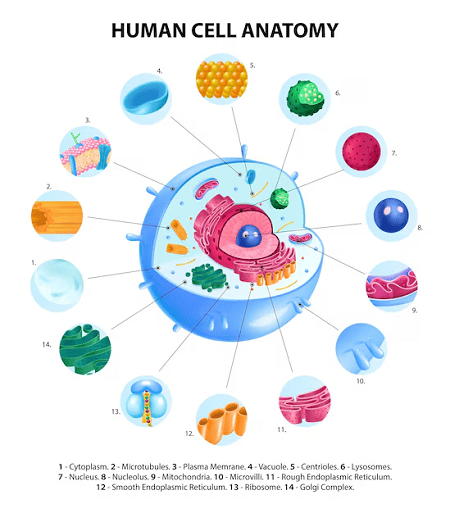
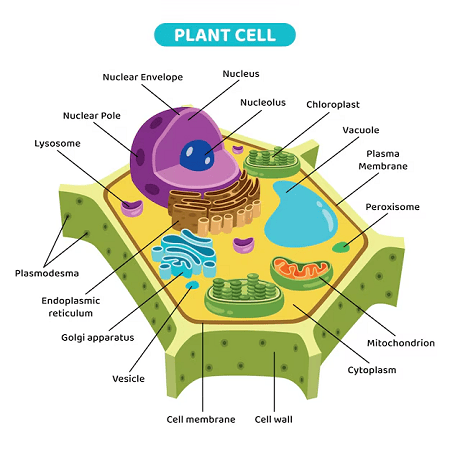
- Cell Membrane: The outer boundary of the cell, controlling the entry and exit of substances.
- Nucleus: Contains genetic material (DNA) and controls cell activities, such as growth and reproduction.
- Cytoplasm: A jelly-like substance that holds organelles in place.
- Mitochondria: Known as the powerhouse of the cell, providing energy through ATP.
- Endoplasmic Reticulum (ER): Involved in protein and lipid synthesis (rough ER has ribosomes, smooth ER does not).
- Golgi Apparatus: Modifies and packages proteins for secretion or delivery to other parts of the cell.
- Lysosomes: Contain enzymes that break down waste materials and cellular debris.
- Ribosomes: Synthesize proteins.
2. Cell Functions
- Metabolism: The set of chemical reactions that occur within a cell, including those that convert nutrients into energy.
- Protein Synthesis: The process by which cells make proteins, including transcription (DNA to RNA) and translation (RNA to protein).
- Cell Division: The process by which cells reproduce, including mitosis (for growth and repair) and meiosis (for reproduction).
3. Cell Communication
- Signal Transduction: Cells communicate with each other via signaling molecules, receptors, and pathways, which help coordinate activities like growth and immune responses.
4. Types of Cells
- Prokaryotic Cells: Simple cells without a nucleus, such as bacteria.
- Eukaryotic Cells: Complex cells with a nucleus, including animal, plant, and fungal cells.
5. Cell Differentiation and Specialization
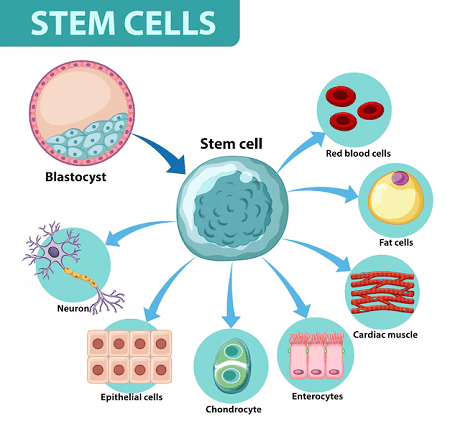
- Cells can specialize into various types to perform distinct functions in multicellular organisms (e.g., muscle cells, nerve cells).
6. Cell Death
- Apoptosis: Programmed cell death, a natural process for removing damaged or unnecessary cells.
- Necrosis: Cell death caused by injury or disease.
Cell biology is essential for understanding diseases, developing medical treatments, and advancing biotechnology. It also provides insight into how organisms grow, develop, and respond to their environment.
What is Cell Biology ?
Cell Biology is the branch of biology that studies the structure, function, and behavior of cells, which are the basic building blocks of life. It examines how cells operate, interact, and contribute to the overall function of organisms. Since cells are the smallest units of life, understanding cell biology is crucial to understanding how living organisms grow, develop, and maintain health.
Key Areas of Cell Biology:
- Cell Structure:
- Cell Membrane: A lipid bilayer that surrounds and protects the cell, regulating the movement of substances in and out.
- Nucleus: Contains genetic material (DNA) and controls cell activities.
- Cytoplasm: Gel-like substance within the cell that supports the organelles.
- Organelles: Specialized structures within the cell, such as mitochondria (energy production), ribosomes (protein synthesis), and the endoplasmic reticulum (synthesis and transport of proteins and lipids).
- Cell Function:
- Metabolism: The chemical processes within the cell that provide energy for growth, reproduction, and maintenance.
- Protein Synthesis: The process by which cells create proteins, essential for carrying out various functions in the body.
- Cell Division: The process by which cells reproduce, including mitosis (for growth and repair) and meiosis (for sexual reproduction).
- Cell Communication:
- Cells communicate with each other to coordinate their functions, using chemical signals that trigger cellular responses. This is essential for processes like growth, immune response, and tissue repair.
- Cell Types:
- Prokaryotic Cells: Simple cells, such as bacteria, without a nucleus.
- Eukaryotic Cells: More complex cells, found in plants, animals, and fungi, with a true nucleus and other specialized structures.
- Cell Growth and Differentiation:
- Cells can differentiate into specialized types (e.g., muscle cells, nerve cells) to perform specific functions within an organism.
- Cell Death:
- Apoptosis: Programmed cell death, a natural process that eliminates damaged or unnecessary cells.
- Necrosis: Uncontrolled cell death often caused by injury or disease.
Cell biology is fundamental to many fields, including medicine, genetics, biochemistry, and biotechnology. It helps in understanding diseases, developing therapies, and improving medical practices by revealing how cells function and interact.
Who is required Cell Biology ?
Cell Biology is a crucial subject for a variety of professionals, researchers, and students, as it provides foundational knowledge for many fields in science and medicine. Here are some key groups who benefit from studying or requiring knowledge in cell biology:
1. Biologists
- Cell Biologists: Specialize in studying the structure, function, and behavior of cells.
- Molecular Biologists: Study the molecular mechanisms inside cells, including DNA, RNA, and proteins.
- Geneticists: Understand how genes are expressed and regulated within cells.
- Microbiologists: Focus on the biology of microorganisms, including bacteria, viruses, and fungi, which involve studying their cells.
2. Medical Professionals
- Doctors (especially those in pathology, oncology, and immunology): Understanding how cells function and malfunction is key to diagnosing and treating diseases like cancer, autoimmune disorders, and infections.
- Nurses and Medical Technologists: Basic knowledge of cell biology is essential to understand disease mechanisms, lab tests, and diagnostic techniques.
- Pharmacologists: Study how drugs interact with cells and cellular processes to develop effective treatments.
- Radiologists and Pathologists: Use cellular knowledge to understand the impacts of diseases at the microscopic level, aiding in diagnostics.
3. Researchers and Scientists
- Biomedical Researchers: Cell biology is central to research on diseases, therapies, stem cells, and regenerative medicine.
- Biotechnologists: Study and manipulate cells for the production of medicines, vaccines, and other biotechnology products.
- Immunologists: Research the immune system, which involves understanding how cells of the immune system function and interact.
- Neuroscientists: Investigate how nerve cells (neurons) work in the brain and nervous system.
- Physiologists: Study how cells in different organs contribute to body functions, including energy production, muscle contraction, and more.
4. Students in Life Sciences and Related Fields
- Undergraduate and Graduate Students: Students studying biology, biotechnology, medicine, and related disciplines need a foundational understanding of cell biology.
- PhD Students: Advanced study in fields like molecular biology, genetics, or pharmacology often requires an in-depth understanding of cellular processes.
5. Agricultural Scientists and Environmentalists
- Agronomists: Study plant cells to understand growth, disease resistance, and environmental interactions.
- Ecologists: Investigate how cells and microorganisms interact in ecosystems, particularly in soil and water environments.
6. Forensic Scientists
- Cell biology is essential for forensic scientists in analyzing biological evidence such as blood, hair, or tissue samples to determine cause of death, criminal activity, or genetic relationships.
7. Pharmaceutical and Biotechnology Industry Professionals
- Drug Developers and Formulators: Knowledge of how cells respond to various drugs and treatments is essential for developing new pharmaceuticals.
- Biotech Engineers: Work with cell cultures and genetic engineering to develop new products, such as insulin or gene therapies.
8. Educators and Trainers
- Teachers and instructors who are educating the next generation of scientists, doctors, or researchers need a strong understanding of cell biology to effectively teach the subject.
Overall, anyone involved in the study of life sciences, medicine, biotechnology, or research will encounter cell biology as a core area of knowledge, as cells are the fundamental units of life.
When is required Cell Biology ?
Cell Biology is required in a variety of situations across different fields, professions, and disciplines. Here are some key scenarios when knowledge of cell biology is essential:
1. During Academic and Professional Training
- Early Academic Stages: Cell biology is introduced in high school and college biology courses as foundational knowledge. It forms the basis for advanced studies in fields like biology, biochemistry, medicine, and biotechnology.
- University Programs: Students pursuing degrees in biology, medicine, biotechnology, biochemistry, pharmacology, and related fields typically study cell biology in depth.
- Graduate and Postgraduate Education: Advanced studies, including master’s and doctoral research, often focus heavily on specialized areas of cell biology such as molecular biology, genetic engineering, or cell signaling.
2. In Research and Development
- Medical and Biomedical Research: Cell biology is crucial when studying diseases at the cellular level (e.g., cancer, neurological disorders, or autoimmune diseases). It helps researchers understand disease mechanisms, identify therapeutic targets, and develop new treatments.
- Drug Development and Testing: Understanding how drugs interact with cells, how they affect cellular functions, and how cells respond to new therapies is central to pharmaceutical research.
- Stem Cell and Regenerative Medicine: Researchers working with stem cells or tissue engineering use cell biology to understand how cells can be manipulated for therapeutic purposes, such as growing new tissues or organs.
3. In Medical Practice
- Clinical Diagnosis and Treatment: Doctors, particularly those in oncology, pathology, and immunology, rely on cell biology to understand the cellular basis of diseases. Diagnosing conditions like cancer, infections, and genetic disorders often involves studying cells through biopsies, imaging, and lab tests.
- Surgical and Clinical Interventions: Surgeons and clinicians use cell biology knowledge when considering how to intervene in cellular processes, especially in regenerative medicine or organ transplants.
4. In Biotechnology and Biomanufacturing
- Biotech and Pharmaceutical Industry: Professionals working in biotechnology companies need knowledge of cell biology to manipulate cells for the production of bioengineered products (e.g., insulin, vaccines) and to develop genetically modified organisms (GMOs).
- Gene Therapy and Genetic Engineering: Cell biology is fundamental in gene editing, CRISPR technology, and other genetic modification techniques used to correct or enhance the function of cells in various applications.
5. During Public Health and Environmental Work
- Epidemiology and Public Health: Understanding the cellular processes of pathogens, immune responses, and how diseases spread at the cellular level is crucial for managing public health crises (e.g., infectious diseases, cancer screening).
- Environmental Studies: Cell biology knowledge is essential for studying the impacts of pollutants and chemicals on ecosystems, including how plants, animals, and microorganisms react at the cellular level.
6. When Diagnosing and Treating Diseases
- Disease Mechanisms: Understanding how diseases affect cells is key in diagnosing and treating conditions. For example, cell biology helps in understanding how viruses infect cells or how cancerous cells divide uncontrollably.
- Developing Targeted Treatments: Drugs and therapies that target specific cellular pathways (like cancer immunotherapies or gene editing) require a solid understanding of cell biology.
7. In Biotechnology and Environmental Engineering
- Genetic Engineering: Researchers and engineers involved in modifying organisms or cells for environmental cleanup (bioremediation), agriculture (e.g., pest-resistant crops), or industrial applications (e.g., biofuels) require knowledge of cell biology.
- Environmental Biotechnology: Knowledge of how microorganisms interact with pollutants at the cellular level is crucial for developing biotechnological solutions to environmental problems.
8. During the Development of New Medical Technologies
- Cell-based Assays: In the development of new medical devices, diagnostics, or treatments, knowledge of cell biology is essential to design systems that can monitor or manipulate cellular functions in vitro (in a laboratory setting).
- Tissue Engineering and Organ Transplants: Understanding how cells interact with scaffolds and other materials is essential when developing new methods for tissue engineering and growing artificial organs.
9. When Addressing Genetic Disorders
- Genetic Research and Testing: Cell biology is fundamental when studying how genetic mutations affect cells and lead to inherited diseases. This is especially important for genetic counseling, prenatal testing, and gene therapy.
10. In Teaching and Education
- Science Education: Cell biology is a core part of the curriculum in secondary and tertiary education for those pursuing careers in science, medicine, and technology. Educators are required to impart knowledge of cellular functions and mechanisms to students.
11. In Forensic Science
- Forensic Investigations: Cell biology is used to analyze biological evidence such as blood, hair, and tissue samples at the cellular level to identify individuals, determine causes of death, or investigate criminal activity.
In summary, cell biology is required whenever there’s a need to understand the basic unit of life, whether it’s in research, education, clinical settings, or industries like biotechnology and pharmaceuticals. It’s essential in diagnosing diseases, developing new treatments, and advancing technologies in medicine, environmental sciences, and biotechnology.
Where is required Cell Biology ?
Cell biology is required in various fields, industries, and research areas. It is essential wherever the understanding of cellular structure, function, and processes is fundamental to advancing knowledge, diagnosing diseases, or developing new technologies. Here are key areas where cell biology is required:
1. Healthcare and Medicine
- Hospitals and Clinics: Understanding the cellular basis of diseases is crucial for diagnosing, treating, and managing various conditions such as cancer, autoimmune disorders, infections, and genetic disorders.
- Medical Research Institutes: Researchers in oncology, immunology, and genetics require knowledge of cell biology to study diseases at the cellular level, develop therapies, and test new treatments.
- Genetic Counseling and Testing: Understanding cellular processes is vital for analyzing genetic disorders and providing counseling, as well as for conducting prenatal genetic testing.
2. Pharmaceutical and Biotechnology Industry
- Drug Development: Pharmaceutical companies require cell biology to understand how drugs interact with cells, and how cellular processes can be targeted for therapeutic purposes (e.g., cancer treatment, gene therapies).
- Biotechnology Companies: These companies manipulate cells for purposes such as genetic engineering, producing biologic drugs (e.g., monoclonal antibodies), and developing cell-based therapies (e.g., stem cell therapy).
- Vaccine Development: Vaccine development often involves studying how pathogens interact with host cells, and how the immune system responds at the cellular level.
3. Academic and Research Institutions
- Universities and Research Labs: In biological, medical, and biotechnological research, cell biology is foundational. Research areas such as stem cell biology, cell signaling, cancer biology, and molecular genetics require a deep understanding of cellular processes.
- Biological Science and Medicine Departments: Academic departments across universities worldwide teach cell biology as a core subject for students pursuing degrees in biology, medicine, pharmacology, and biochemistry.
4. Environmental and Agricultural Fields
- Agriculture: Plant cell biology is critical in agricultural research to improve crop yields, develop disease-resistant plants, and engineer genetically modified organisms (GMOs).
- Environmental Research: Understanding how cells of microorganisms interact with pollutants (bioremediation) or how environmental changes affect cellular processes in ecosystems is important for environmental protection and sustainability.
5. Forensic Science
- Forensic Laboratories: Forensic scientists use cell biology to analyze biological evidence such as blood, tissues, and hair samples at the cellular level to determine cause of death, identity, and other forensic evidence.
- Paternity Testing: Cell biology is involved in DNA analysis to establish familial relationships or in criminal investigations to match DNA samples to suspects.
6. Stem Cell and Regenerative Medicine
- Stem Cell Research Centers: Cell biology is crucial in stem cell research, which focuses on understanding how stem cells differentiate into various cell types and how they can be used in regenerative medicine for tissue repair and organ regeneration.
- Tissue Engineering and Organ Transplantation: Cell biology is essential when working with cell cultures, scaffolds, and bioengineering techniques to grow tissues or organs for transplantation.
7. Healthcare Technology and Diagnostics
- Medical Devices: Diagnostic tools, like cell-based assays, imaging systems, and lab tests (e.g., flow cytometry), are all based on cell biology principles to monitor cellular behavior, count cells, or detect diseases at the cellular level.
- Cell Culture Facilities: Used for drug testing, research, and production of biologic drugs, cell cultures are essential in laboratories that specialize in tissue engineering, gene therapy, and vaccine development.
8. Genetics and Genetic Engineering
- Genetic Engineering: Cell biology is required when modifying cells (e.g., for gene editing using CRISPR technology), or in creating genetically modified organisms (GMOs) for agriculture, medicine, or industrial purposes.
- Gene Therapy: Understanding cellular mechanisms is crucial for developing gene therapies that aim to treat genetic disorders by introducing or modifying genes within patient cells.
9. Food and Agriculture Industries
- Food Biotechnology: Understanding how cells function is necessary in the development of genetically engineered crops, production of food additives, and fermentation processes (e.g., in yogurt or alcohol production).
- Microbial Biotechnology: In industries such as brewing, dairy, and food production, microbial cell biology is crucial for optimizing fermentation processes and producing enzymes or other products.
10. Space and Aerospace Research
- Space Missions: Studying how human cells behave in space or under microgravity conditions is crucial for understanding the effects of space travel on human health and developing solutions to maintain astronauts’ health during long-duration missions.
11. Teaching and Education
- Schools and Universities: Cell biology is taught at various levels, including high school biology courses and college programs. It is a foundational topic in the curriculum for students pursuing careers in science, medicine, and related fields.
- Science Communicators and Educators: Cell biology knowledge is essential for those who teach or communicate scientific concepts in schools, museums, and science centers.
12. Clinical Laboratories
- Diagnostic Labs: Clinical labs study and analyze cells from samples to identify diseases, including blood work, cancer cell identification, and microbiological analyses.
- Pathology and Histology Labs: In these labs, cell biology is used to examine tissue samples under a microscope, identifying diseases or abnormalities at the cellular level.
In summary, cell biology is required in any setting where the study or manipulation of cells is critical. This includes healthcare, research, biotechnology, education, environmental sciences, forensic science, and even industries like agriculture and food production. Whether it’s for treating diseases, advancing scientific knowledge, or developing new technologies, a solid understanding of cell biology is foundational to many fields.
How is required Cell Biology ?
Cell biology is required in various ways, depending on the field or application. Here’s how it’s essential across different domains:
1. In Medical and Healthcare Fields
- Understanding Disease Mechanisms: Cell biology helps in identifying how diseases affect cells. For example, cancer results from abnormal cell division, while viral infections like HIV occur when viruses hijack host cells. Understanding these processes helps in diagnosing and treating diseases.
- Developing Therapeutic Drugs: Pharmaceutical companies use cell biology to test how drugs interact with cells, how they can target specific cellular pathways, or how they can correct cellular dysfunctions.
- Gene Therapy: Cell biology is required for developing gene therapies that aim to correct defective genes within cells, thus treating genetic disorders at the cellular level.
2. In Medical Research
- Studying Cellular Behavior: Research in areas like stem cell biology, regenerative medicine, and cancer biology relies on cell biology to study how cells grow, divide, differentiate, and respond to environmental changes.
- Vaccine Development: Cell biology is fundamental when studying how pathogens interact with cells to cause diseases. It also helps in designing vaccines that stimulate the immune system at the cellular level to recognize and attack pathogens.
- Cell Culture: Researchers grow cells in culture to study their properties, how they react to drugs, and how they interact with each other. This is essential in testing new treatments before they are used in clinical trials.
3. In Biotechnology
- Genetic Engineering: Cell biology is essential for manipulating cells for various purposes, such as producing genetically modified organisms (GMOs), creating therapeutic proteins, or developing microorganisms that can break down pollutants.
- Cell-based Therapies: Biotechnologists use cell biology to develop therapies that involve growing or modifying cells to treat diseases, such as gene therapy or stem cell therapy.
- Bioprocessing: In biotechnology industries, cell biology is used to optimize the use of cells for producing drugs, enzymes, biofuels, and other bio-based products in large-scale fermentation processes.
4. In Agriculture and Food Production
- Improving Crop Varieties: Cell biology is crucial in agricultural biotechnology, where researchers manipulate plant cells to develop crops that are more resistant to diseases, pests, or environmental stress. This includes creating genetically modified crops to enhance yield or nutritional content.
- Food Production: Cell biology is involved in processes like fermentation (used in brewing, cheese-making, etc.), where microorganisms like yeast or bacteria are cultured to produce food products. Additionally, lab-grown meat is a product of cell biology, requiring the cultivation of animal cells for food production.
5. In Environmental and Ecological Research
- Environmental Remediation: Microbial cell biology is crucial for understanding how certain microorganisms can be used to degrade pollutants in contaminated environments (a process known as bioremediation).
- Impact of Environmental Factors on Cells: Environmental scientists use cell biology to study how pollutants, radiation, or climate change impact the health of cells, ecosystems, and biodiversity. This can help in developing strategies to protect ecosystems from damage.
6. In Forensic Science
- DNA Profiling: Forensic scientists use cell biology to extract DNA from cells in biological samples (blood, hair, tissue) and analyze it for identity verification, criminal investigations, or paternity testing.
- Post-mortem Analysis: In forensic pathology, cell biology helps determine cause of death or injury by examining cell structures in tissue samples (e.g., identifying cell damage from poisoning, trauma, or disease).
7. In Education and Teaching
- Core Biology Education: Cell biology is a fundamental subject in biology education, from high school to university levels. It is essential for students in biological sciences, medicine, and related fields. Educators require a deep understanding of cellular processes to teach these concepts effectively.
- Science Communication: Science communicators use cell biology knowledge to explain complex concepts to the public, from popular science books to television programs and museums.
8. In Diagnostics and Clinical Laboratories
- Disease Diagnosis: Cell biology is used to examine patient samples at the cellular level. For example, pathologists study biopsies under the microscope to identify cancerous cells or other abnormalities in tissue samples.
- Testing for Infections: Clinical microbiology uses cell biology to identify pathogens at the cellular or molecular level. Understanding how microbes interact with host cells is essential for diagnosing infections and developing treatments.
9. In Stem Cell and Regenerative Medicine
- Stem Cell Research: Cell biology is essential for understanding how stem cells can differentiate into various types of cells. This knowledge is applied to regenerative medicine, where stem cells are used to repair or replace damaged tissues and organs.
- Tissue Engineering: Researchers use cell biology to grow tissues or organs in the laboratory using cultured cells, which can be used for transplants or testing new drugs and treatments.
10. In Genetic Research and Gene Editing
- Gene Editing: Techniques like CRISPR require a deep understanding of cellular mechanisms to accurately target and modify genes within cells. This has broad applications, from treating genetic diseases to improving crops or developing new forms of biotechnology.
- Genetic Studies: Researchers use cell biology to study how genetic mutations affect cellular functions. Understanding how genes control cell processes helps identify the molecular basis of diseases and enables the development of targeted therapies.
11. In Clinical Trials and Drug Testing
- Preclinical Testing: Cell biology is crucial in the preclinical testing phase of drug development. Scientists test new drugs on cell cultures to observe their effects on cell health, growth, and behavior before moving to animal trials.
- Safety and Efficacy Studies: Understanding how cells respond to drugs helps in assessing whether a potential treatment is safe and effective for human use.
12. In Space and Aerospace Research
- Space Health: Researchers study how cells behave in space, especially under microgravity conditions, to understand the impact of long-term space travel on human health. This includes investigating cellular processes like growth, repair, and immune response.
In summary, cell biology is required for the practical application of knowledge in a wide range of scientific, medical, and technological fields. It is essential for understanding the mechanisms of life, diagnosing diseases, developing new treatments, and advancing scientific and industrial innovations. Whether it’s for research, therapy, education, or technology development, cell biology forms the foundation for many areas of progress.
Case study is Cell Biology ?
A case study in cell biology typically involves a detailed analysis of a specific biological problem or phenomenon, focusing on how cells function or respond in a particular context. These case studies are often used in educational settings, medical research, or scientific investigations to illustrate key concepts in cell biology, including cell structure, function, signaling, and interactions.
Example of a Case Study in Cell Biology:
Case Study: The Role of Cell Signaling in Cancer
Background: Cancer is a complex disease that involves uncontrolled cell growth and division. One of the key mechanisms involved in cancer development is the disruption of normal cell signaling pathways. These pathways regulate processes like cell division, apoptosis (programmed cell death), and differentiation. When cell signaling is altered, it can lead to the formation of tumors and cancer.
Research Focus: The case study might focus on how mutations in specific proteins involved in cell signaling contribute to the development of cancer. For example, the RAS protein is an important molecule in cell signaling pathways. Mutations in RAS can result in continuous signaling for cell division, even in the absence of growth signals, leading to cancer.
Study Approach:
- Molecular Analysis: Researchers examine cancer cells to identify mutations in genes that encode proteins involved in cell signaling.
- Cell Culture: Scientists use cultured cancer cells to study how the signaling pathways are affected by mutations, and how these changes impact cell behavior such as growth, survival, and migration.
- Treatment Approaches: The case study may also include an investigation into how drugs that target the mutated cell signaling pathways (like MEK or EGFR inhibitors) can help stop the growth of cancer cells. These treatments aim to restore normal cell signaling or inhibit the mutated signals causing cancer.
Findings: In this case study, researchers might find that specific mutations in the RAS gene are associated with particular types of cancer, such as pancreatic or colorectal cancer. Additionally, they might uncover new potential therapeutic targets that could be used to treat these cancers by correcting the malfunctioning signaling pathways.
Conclusion: The case study would conclude by highlighting the importance of understanding cell signaling pathways in cancer and how this knowledge is crucial for developing more effective treatments. It may also discuss the challenges in targeting these pathways due to their complexity and the potential for side effects when modifying such fundamental processes in cells.
Other Examples of Case Studies in Cell Biology:
- Stem Cell Therapy for Regenerative Medicine
- Focus: Studying how stem cells can be used to regenerate damaged tissues and organs. A case study might track the use of stem cells in treating heart disease or spinal cord injuries, analyzing their behavior and differentiation into specialized cell types.
- The Impact of Genetic Mutations on Cellular Processes
- Focus: A case study investigating a specific genetic disorder, such as cystic fibrosis, that is caused by a mutation in a gene encoding a membrane protein. Researchers study how this mutation affects cell function, such as ion transport across the cell membrane, and leads to the symptoms of the disease.
- The Role of Apoptosis in Neurodegenerative Diseases
- Focus: Studying how impaired apoptosis (programmed cell death) in neurons contributes to diseases like Alzheimer’s or Parkinson’s. A case study could explore how disruptions in the apoptotic pathways affect cell survival and the progression of neurodegeneration.
- Cellular Response to Viral Infections
- Focus: A case study on how cells respond to viral infections, such as HIV or influenza. The study might focus on how the immune system recognizes and responds to infected cells, and how viruses manipulate host cell biology to replicate and evade immune defenses.
Key Components of a Cell Biology Case Study:
- Background Information: Provides context about the biological problem or phenomenon under study.
- Research Focus: Describes the main objective of the case study and the cellular processes or mechanisms being investigated.
- Methodology: Details the experimental approaches or techniques used to study the cells, such as cell culture, gene editing, microscopy, or protein analysis.
- Findings and Results: Summarizes the key observations and discoveries made during the study.
- Conclusion: Discusses the implications of the findings, how they contribute to the understanding of the biological process, and potential applications for medicine or other fields.
Case studies in cell biology are crucial for demonstrating the real-world application of cell biology concepts and for helping students and researchers understand how cellular mechanisms underpin human health, disease, and technological advances.
White paper on Cell Biology ?
A white paper on Cell Biology is a comprehensive and authoritative report that addresses a specific issue, problem, or emerging topic within the field of cell biology. It is typically written by experts to inform, educate, and provide insight to a specialized audience such as researchers, educators, clinicians, or policy makers.
Here’s an outline and example structure for a White Paper on Cell Biology:
Title: Advancements and Future Directions in Cell Biology: Understanding the Cellular Mechanisms in Health and Disease
Executive Summary
The field of cell biology has made significant strides in understanding the molecular and cellular mechanisms that govern life processes. Recent advancements in technologies such as single-cell RNA sequencing, CRISPR gene editing, and advanced microscopy have revolutionized our ability to study cells in unprecedented detail. This white paper explores key developments in cell biology, including the role of cell signaling in disease, stem cell biology, and the implications for regenerative medicine and personalized treatments. The paper also examines the challenges and future directions of cell biology research, particularly in relation to the treatment of complex diseases like cancer, neurodegenerative disorders, and genetic diseases.
Introduction
Cell biology is the study of the structure, function, and behavior of cells, the basic units of life. Over the past few decades, researchers have gained profound insights into cellular processes, ranging from cell division to cellular communication and programmed cell death (apoptosis). As technology has advanced, the ability to observe cells in real-time and at molecular resolution has led to groundbreaking discoveries, making cell biology a crucial field in both fundamental science and applied medical research.
Section 1: Breakthroughs in Cell Biology Research
- Molecular and Cellular Signaling Pathways
- Overview: Cells communicate with one another and their environment through signaling pathways, which are vital for maintaining cellular functions such as growth, differentiation, and survival.
- Recent Advances: The role of signaling molecules like growth factors, cytokines, and hormones in diseases such as cancer and autoimmune disorders.
- Applications: Targeted therapies for cancer, where drugs are designed to disrupt specific signaling pathways responsible for tumor growth.
- Stem Cells and Regenerative Medicine
- Overview: Stem cells hold the potential to regenerate damaged tissues and organs, offering hope for treating diseases that currently have no cure.
- Recent Advances: Advances in induced pluripotent stem cell (iPSC) technology, gene editing with CRISPR-Cas9, and organoids.
- Applications: Clinical trials in regenerative medicine for heart disease, Parkinson’s, and spinal cord injuries.
- Single-Cell Genomics and High-Resolution Imaging
- Overview: New technologies, such as single-cell RNA sequencing, have provided deeper insights into cellular heterogeneity and gene expression.
- Recent Advances: The use of CRISPR to modify gene expression in individual cells and the development of super-resolution microscopy techniques.
- Applications: Personalized medicine and cancer immunotherapy based on understanding individual tumor cell characteristics.
Section 2: Cell Biology in Disease and Health
- Cancer Biology and Cell Cycle Dysregulation
- Overview: Cancer is characterized by uncontrolled cell growth, often due to mutations in genes that regulate the cell cycle and apoptosis.
- Recent Research: Understanding the role of tumor suppressor genes (e.g., p53) and oncogenes (e.g., RAS) in the development of various cancers.
- Applications: Development of drugs that target cancer cells based on specific genetic mutations and cell cycle dysregulation.
- Neurodegenerative Diseases
- Overview: Diseases like Alzheimer’s, Parkinson’s, and Huntington’s disease involve the death of neurons, often triggered by defects in cellular mechanisms like protein folding and autophagy.
- Recent Advances: Studies on cellular protein homeostasis (proteostasis) and the role of mitochondria in neuronal health.
- Applications: Research into gene therapies, stem cell therapies, and neuroprotective agents for treating neurodegenerative diseases.
- Genetic Disorders and Gene Editing
- Overview: Genetic disorders result from mutations in the DNA sequence that affect cellular functions, often leading to diseases like cystic fibrosis or Duchenne muscular dystrophy.
- Recent Research: The use of gene editing technologies like CRISPR-Cas9 to correct genetic mutations at the cellular level.
- Applications: Potential cures for genetic disorders, including somatic cell therapy and germline gene editing.
Section 3: Challenges and Ethical Considerations
- Technical Limitations in Cell Biology
- Despite technological advancements, challenges remain in fully understanding the complexity of cellular behaviors in vivo. Limited resolution in imaging technologies, the difficulty of capturing dynamic processes in living cells, and the complexity of multi-cellular environments still pose significant barriers.
- Ethical Issues in Stem Cell and Gene Editing Research
- The potential for germline gene editing raises concerns about the long-term consequences of altering the human genome. Additionally, the use of embryonic stem cells in research has sparked ethical debates about the source of these cells and the implications for human life.
- Cost and Accessibility of Advanced Therapies
- Cell-based therapies, such as CAR-T cell therapy and regenerative medicine treatments, are expensive and may not be accessible to all patients. Addressing the challenges of equitable access to these therapies will be critical in the future of healthcare.
Section 4: Future Directions in Cell Biology
- Integration of Multi-Omic Data
- The future of cell biology research lies in integrating data from various omics technologies (genomics, proteomics, metabolomics, etc.) to provide a comprehensive understanding of cellular functions and disease mechanisms.
- Advances in Personalized Medicine
- As the field of cell biology continues to evolve, the development of personalized treatments that are tailored to the unique cellular makeup of individual patients will revolutionize healthcare. This includes using patient-specific iPSCs for drug screening and personalized therapies.
- Therapeutic Targeting of Cellular Pathways
- The continued exploration of cellular signaling pathways, cellular metabolism, and immune responses will open new therapeutic avenues. Small molecules, antibodies, and cell-based therapies that target these pathways could lead to breakthroughs in treating diseases that were previously thought to be untreatable.
Conclusion
Cell biology is a rapidly advancing field with significant implications for medicine, biotechnology, and many other industries. As we continue to unravel the complexities of cellular processes, there is enormous potential for the development of targeted therapies that can transform the way we treat diseases. However, there are challenges, particularly in ensuring ethical research practices, equitable access to therapies, and overcoming technological limitations. Moving forward, the integration of new technologies and a deeper understanding of cellular mechanisms will drive innovation in cell biology and healthcare.
Industrial application of Cell Biology ?
Cell biology plays a crucial role in various industrial applications, particularly in industries related to biotechnology, pharmaceuticals, agriculture, and environmental science. Here are some key industrial applications of cell biology:
1. Pharmaceutical and Drug Development
- Cell Cultures for Drug Testing: Cell biology techniques, such as cell cultures, are used to test the safety and efficacy of new pharmaceutical compounds. This allows researchers to assess the biological effects of drugs before clinical trials.
- Production of Biopharmaceuticals: Cells, particularly mammalian and bacterial cells, are engineered to produce therapeutic proteins like insulin, growth factors, monoclonal antibodies, and vaccines. This is a fundamental process in biotechnology.
2. Biotechnology and Genetic Engineering
- Genetically Modified Organisms (GMOs): Understanding cell biology is crucial in genetic modification processes. Genetically engineered cells are used in producing genetically modified crops, which are designed to be more resistant to diseases, pests, or environmental conditions.
- Protein Production: Industrial-scale cell cultures are employed in the production of enzymes, vaccines, and biofuels. Yeast and bacteria are common organisms used in such processes, helping in the mass production of proteins and other valuable substances.
3. Agricultural Applications
- Cell Culture in Plant Biotechnology: Plant cell cultures are used in the propagation of plants, especially for crops that are difficult to grow through traditional methods. This includes the production of disease-resistant plants or crops with enhanced nutritional value.
- Improved Crop Yield: Through techniques like CRISPR and gene editing, understanding cellular functions allows for the development of crops with higher yields, drought resistance, or enhanced nutritional profiles.
4. Environmental Biotechnology
- Bioremediation: Cells, including bacteria and fungi, are used in the breakdown of pollutants (oil spills, heavy metals, or plastics) in environmental cleanup. Cell-based processes help in transforming harmful substances into less toxic compounds.
- Waste Treatment: Biological treatment processes in wastewater treatment plants often rely on microorganisms to break down organic waste, which is a direct application of cell biology to manage environmental pollution.
5. Tissue Engineering
- Regenerative Medicine: Cell biology is crucial in tissue engineering, which aims to grow tissues or organs in the lab for transplantation. Stem cells and other types of cultured cells are used to create tissue constructs that could replace damaged or diseased tissues in patients.
- 3D Cell Cultures: These cultures simulate the in vivo conditions of tissues more accurately than traditional 2D cultures, enabling better drug testing and cell therapy applications.
6. Food and Beverage Industry
- Cell-Based Meat Production: The development of lab-grown meat (cultured meat) is a growing area where cell biology plays a significant role. Animal cells are cultured and grown to produce meat without the need for traditional livestock farming.
- Fermentation: The fermentation process, critical for producing products like beer, yogurt, and cheese, relies on the activity of cells like yeast and bacteria. Cell biology is applied to improve fermentation efficiency and product consistency.
7. Cosmetic Industry
- Skin Cultures for Product Testing: Cell biology is used to create skin cell cultures for testing cosmetics, ensuring they are non-toxic and safe for human use. This allows for alternative testing methods to animal testing.
- Anti-Aging Products: Understanding cellular processes related to aging and skin regeneration helps in the development of anti-aging skincare products that can stimulate cell turnover and collagen production.
8. Vaccine Production
- Cell Culture Vaccines: Some vaccines are produced by growing viruses in cultured cells. For example, the flu vaccine and certain viral vaccines are developed using animal or human cells to propagate the virus, which is then inactivated or weakened for immunization.
In summary, cell biology has numerous industrial applications that contribute to advances in medicine, agriculture, food production, environmental sustainability, and many other fields.
Research and development of Cell Biology ?
Research and development (R&D) in cell biology is a dynamic and rapidly advancing field, driven by the quest to understand cellular processes and apply this knowledge to solve problems in medicine, biotechnology, agriculture, and more. Below are some of the key areas of research and development in cell biology:
1. Stem Cell Research
- Regenerative Medicine: Stem cells have the potential to differentiate into any cell type, making them a cornerstone of regenerative medicine. Researchers are focused on understanding how to direct stem cells to become specific cell types for tissue repair or replacement (e.g., for spinal cord injuries, heart disease, or neurodegenerative diseases).
- Induced Pluripotent Stem Cells (iPSCs): R&D in iPSCs involves reprogramming adult cells to become pluripotent (capable of becoming any cell type). This technique holds immense potential for personalized medicine, drug discovery, and modeling diseases in vitro.
2. Gene Editing and CRISPR/Cas9 Technology
- Gene Therapy: Researchers are exploring gene editing tools, particularly CRISPR/Cas9, to correct genetic mutations responsible for diseases. This includes treatments for genetic disorders such as cystic fibrosis, sickle cell anemia, and Duchenne muscular dystrophy.
- Targeted Gene Modulation: Advances are being made in understanding how to precisely manipulate genes within individual cells, enabling the development of more effective treatments and therapies for various diseases, including cancers.
3. Cancer Cell Biology
- Cancer Stem Cells: Much research in cancer biology focuses on understanding the role of cancer stem cells (CSCs), which are thought to be responsible for cancer initiation, metastasis, and recurrence. Targeting CSCs offers the possibility of more effective treatments.
- Tumor Microenvironment: Research is increasingly focusing on the interactions between tumor cells and the surrounding microenvironment, including blood vessels, immune cells, and extracellular matrix. This could provide novel therapeutic targets to stop tumor growth and metastasis.
- Immunotherapy: Cell-based therapies like CAR-T cell therapy (Chimeric Antigen Receptor T-Cell therapy) have shown promise in treating cancers. The R&D in cell biology aims to enhance the efficacy of these treatments and reduce side effects.
4. Cell Signaling and Communication
- Signal Transduction Pathways: Researchers continue to study the complex signaling pathways that regulate cellular processes such as growth, differentiation, apoptosis (programmed cell death), and metabolism. Understanding these pathways opens up new avenues for drug development.
- Cellular Responses to Stress: R&D is focused on how cells respond to stressors like oxidative stress, DNA damage, and nutrient deprivation. This knowledge is crucial for understanding diseases such as cancer, neurodegenerative diseases, and aging.
5. Cellular Dynamics and Metabolism
- Cellular Metabolism: Studies on how cells process energy and nutrients, and how metabolism is altered in diseases (e.g., cancer, diabetes), are critical for developing therapeutic strategies. Targeting metabolic pathways can offer new treatments for conditions like obesity and metabolic disorders.
- Mitochondrial Biology: Mitochondria are key regulators of energy production and cellular health. R&D in this area is focused on mitochondrial dysfunction in diseases such as Parkinson’s and Alzheimer’s, with the aim of developing treatments that target mitochondrial health.
6. Organoids and 3D Cell Culture Models
- 3D Cell Cultures: Traditional 2D cell cultures do not replicate the complexity of living tissues. R&D in 3D cell cultures (organoids) is transforming how scientists model diseases and test drugs. Organoids are miniature, simplified versions of organs that allow researchers to study disease progression and test treatments more accurately.
- Personalized Medicine: Using cells from individual patients to grow organoids offers a platform for personalized medicine, where treatments can be tested on patient-specific models before being administered.
7. Gene Expression and Epigenetics
- Regulation of Gene Expression: Understanding how genes are turned on and off in different cells is a major area of research. Researchers are investigating the role of transcription factors, non-coding RNAs, and chromatin modifications in regulating gene expression.
- Epigenetics: R&D in epigenetics focuses on how environmental factors, lifestyle, and disease states can affect gene expression through changes that do not alter the DNA sequence itself, such as DNA methylation and histone modification. This is particularly relevant in cancer and aging research.
8. Cellular Aging and Senescence
- Cellular Senescence: As cells age, they enter a state known as senescence, where they stop dividing but remain metabolically active. Research is focusing on how senescent cells contribute to aging, age-related diseases, and cancer. Strategies to eliminate or rejuvenate these cells are under investigation.
- Anti-Aging Therapies: R&D is also focused on discovering compounds or genetic modifications that can delay cellular aging and extend lifespan, such as targeting telomere shortening or mitochondrial dysfunction.
9. Drug Discovery and High-Throughput Screening
- Cell-Based Assays: Cell-based models are integral to screening large libraries of potential drugs. By studying how cells respond to various compounds, researchers can identify candidates for further development as treatments for diseases such as cancer, neurodegenerative disorders, and infections.
- Target Identification: Understanding the molecular mechanisms within cells enables the identification of new therapeutic targets. R&D continues to focus on identifying specific molecules within cells that can be targeted by drugs to treat various diseases more effectively.
10. Cell Therapy and Regenerative Medicine
- Cell Replacement Therapies: R&D is focused on using healthy cells to replace damaged or diseased cells. This includes therapies involving the transplantation of stem cells or other cell types to treat conditions like heart disease, neurodegeneration, and spinal cord injuries.
- Tissue Engineering: Efforts are ongoing to create bioengineered tissues or even organs in the lab. This involves creating scaffolds for cells to grow on, and understanding how to nurture these cells to form functional tissues that can be used for transplants.
Conclusion
R&D in cell biology is interdisciplinary and rapidly evolving, with significant implications for medicine, agriculture, and biotechnology. Advancements in stem cell therapies, gene editing, cancer research, and regenerative medicine, among others, are expected to continue driving innovation and improving health outcomes in the coming decades.
Courtesy : Nucleus Medical Media
References
Penner-Hahn, James E. (2013). “Chapter 2. Technologies for Detecting Metals in Single Cells. Section 4. Intrinsic X-Ray Fluorescence”. In Bani, Lucia (ed.). Metallomics and the Cell. Metal Ions in Life Sciences. Vol. 12. Springer. pp. 15–40. doi:10.1007/978-94-007-5561-1_2. ISBN 978-94-007-5560-4. PMID 23595669.electronic-book ISBN 978-94-007-5561-1 ISSN 1559-0836electronic-ISSN 1868-0402
Cell and Molecular Biology by Karp 5th Ed., ISBN 0-471-46580-1
 This article incorporates public domain material from Science Primer. NCBI. Archived from the original on 8 December 2009. Black, Jacquelyn G. (2004). Microbiology. New York Chichester: Wiley. ISBN 978-0-471-42084-2.
^ Jump up to:a b c d e f g h i j k l m n o p q This article incorporates public domain material from “What Is a Cell?”. Science Primer. NCBI. 30 March 2004. Archived from the original on 2009-12-08. Retrieved 3 May 2013.
^ European Bioinformatics Institute, Karyn’s Genomes: Borrelia burgdorferi Archived 2013-05-06 at the Wayback Machine, part of 2can on the EBI-EMBL database. Retrieved 5 August 2012
^ Satir, P.; Christensen, Søren T. (June 2008). “Structure and function of mammalian cilia”. Histochemistry and Cell Biology. 129 (6): 687–693. doi:10.1007/s00418-008-0416-9. PMC 2386530. PMID 18365235. 1432-119X.
^ Blair, D. F.; Dutcher, S. K. (October 1992). “Flagella in prokaryotes and lower eukaryotes”. Current Opinion in Genetics & Development. 2 (5): 756–767. doi:10.1016/S0959-437X(05)80136-4. PMID 1458024.
^ Jump up to:a b Campbell Biology – Concepts and Connections. Pearson Education. 2009. p. 320.
^ Bianconi, Eva; Piovesan, Allison; Facchin, Federica; Beraudi, Alina; Casadei, Raffaella; Frabetti, Flavia; Vitale, Lorenza; Pelleri, Maria Chiara; Tassani, Simone; Piva, Francesco; Perez-Amodio, Soledad (2013-11-01). “An estimation of the number of cells in the human body”. Annals of Human Biology. 40 (6): 463–471. doi:10.3109/03014460.2013.807878. hdl:11585/152451. ISSN 0301-4460. PMID 23829164. S2CID 16247166.
^ Hatton, Ian A.; Galbraith, Eric D.; Merleau, Nono S. C.; Miettinen, Teemu P.; Smith, Benjamin McDonald; Shander, Jeffery A. (2023-09-26). “The human cell count and size distribution”. Proceedings of the National Academy of Sciences. 120 (39): e2303077120. Bibcode:2023PNAS..12003077H. doi:10.1073/pnas.2303077120. ISSN 0027-8424. PMC 10523466. PMID 37722043.
^ Guyton, Arthur C.; Hall, John E. (2016). Guyton and Hall Textbook of Medical Physiology. Philadelphia: Elsevier Saunders. pp. 930–937. ISBN 978-1-4557-7005-2. OCLC 1027900365.
^ Michie, K. A.; Löwe, J. (2006). “Dynamic filaments of the bacterial cytoskeleton”. Annual Review of Biochemistry. 75: 467–492. doi:10.1146/annurev.biochem.75.103004.142452. PMID 16756499. S2CID 4550126.
^ Ménétret, Jean-François; Schaletzky, Julia; Clemons, William M.; et al. (December 2007). “Ribosome binding of a single copy of the SecY complex: implications for protein translocation” (PDF). Molecular Cell. 28 (6): 1083–1092. doi:10.1016/j.molcel.2007.10.034. PMID 18158904. Archived (PDF) from the original on 2021-01-21. Retrieved 2020-09-01.
^ Sato, N. (2006). “Origin and Evolution of Plastids: Genomic View on the Unification and Diversity of Plastids”. In Wise, R. R.; Hoober, J. K. (eds.). The Structure and Function of Plastids. Advances in Photosynthesis and Respiration. Vol. 23. Springer. pp. 75–102. doi:10.1007/978-1-4020-4061-0_4. ISBN 978-1-4020-4060-3.
^ Prokaryotes. Newnes. 1996. ISBN 978-0080984735. Archived from the original on April 14, 2021. Retrieved November 9, 2020.
^ Campbell Biology – Concepts and Connections. Pearson Education. 2009. p. 138.
^ Snustad, D. Peter; Simmons, Michael J. Principles of Genetics (5th ed.). DNA repair mechanisms, pp. 364–368.
^ Jump up to:a b Ananthakrishnan, R.; Ehrlicher, A. (June 2007). “The forces behind cell movement”. International Journal of Biological Sciences. 3 (5). Biolsci.org: 303–317. doi:10.7150/ijbs.3.303. PMC 1893118. PMID 17589565.
^ Alberts, Bruce (2002). Molecular biology of the cell (4th ed.). Garland Science. pp. 973–975. ISBN 0815340729.
^ Willingham, Emily. “Cells Solve an English Hedge Maze with the Same Skills They Use to Traverse the Body”. Scientific American. Archived from the original on 4 September 2020. Retrieved 7 September 2020.
^ “How cells can find their way through the human body”. phys.org. Archived from the original on 3 September 2020. Retrieved 7 September 2020.
^ Tweedy, Luke; Thomason, Peter A.; Paschke, Peggy I.; Martin, Kirsty; Machesky, Laura M.; Zagnoni, Michele; Insall, Robert H. (August 2020). “Seeing around corners: Cells solve mazes and respond at a distance using attractant breakdown”. Science. 369 (6507): eaay9792. doi:10.1126/science.aay9792. PMID 32855311. S2CID 221342551. Archived from the original on 2020-09-12. Retrieved 2020-09-13.
^ Becker, Wayne M.; et al. (2009). The world of the cell. Pearson Benjamin Cummings. p. 480. ISBN 978-0321554185.
^ Jump up to:a b c Grosberg, R. K.; Strathmann, R. R. (2007). “The evolution of multicellularity: A minor major transition?” (PDF). Annu Rev Ecol Evol Syst. 38: 621–654. doi:10.1146/annurev.ecolsys.36.102403.114735. Archived from the original (PDF) on 2016-03-04. Retrieved 2013-12-23.
^ Popper, Zoë A.; Michel, Gurvan; Hervé, Cécile; et al. (2011). “Evolution and diversity of plant cell walls: from algae to flowering plants” (PDF). Annual Review of Plant Biology. 62: 567–590. doi:10.1146/annurev-arplant-042110-103809. hdl:10379/6762. PMID 21351878. S2CID 11961888. Archived (PDF) from the original on 2016-07-29. Retrieved 2013-12-23.
^ Bonner, John Tyler (1998). “The Origins of Multicellularity” (PDF). Integrative Biology. 1 (1): 27–36. doi:10.1002/(SICI)1520-6602(1998)1:1<27::AID-INBI4>3.0.CO;2-6. ISSN 1093-4391. Archived from the original (PDF, 0.2 MB) on March 8, 2012.
^ Albani, Abderrazak El; Bengtson, Stefan; Canfield, Donald E.; et al. (July 2010). “Large colonial organisms with coordinated growth in oxygenated environments 2.1 Gyr ago”. Nature. 466 (7302): 100–104. Bibcode:2010Natur.466..100A. doi:10.1038/nature09166. PMID 20596019. S2CID 4331375.
^ Orgel, L. E. (December 1998). “The origin of life–a review of facts and speculations”. Trends in Biochemical Sciences. 23 (12): 491–495. doi:10.1016/S0968-0004(98)01300-0. PMID 9868373.
^ Dodd, Matthew S.; Papineau, Dominic; Grenne, Tor; et al. (1 March 2017). “Evidence for early life in Earth’s oldest hydrothermal vent precipitates”. Nature. 543 (7643): 60–64. Bibcode:2017Natur.543…60D. doi:10.1038/nature21377. PMID 28252057. Archived from the original on 8 September 2017. Retrieved 2 March 2017.
^ Betts, Holly C.; Puttick, Mark N.; Clark, James W.; Williams, Tom A.; Donoghue, Philip C. J.; Pisani, Davide (20 August 2018). “Integrated genomic and fossil evidence illuminates life’s early evolution and eukaryote origin”. Nature Ecology & Evolution. 2 (10): 1556–1562. Bibcode:2018NatEE…2.1556B. doi:10.1038/s41559-018-0644-x. PMC 6152910. PMID 30127539.
^ Griffiths, G. (December 2007). “Cell evolution and the problem of membrane topology”. Nature Reviews. Molecular Cell Biology. 8 (12): 1018–1024. doi:10.1038/nrm2287. PMID 17971839. S2CID 31072778.
^ “First cells may have emerged because building blocks of proteins stabilized membranes”. ScienceDaily. Archived from the original on 2021-09-18. Retrieved 2021-09-18.
^ Jump up to:a b c Latorre, A.; Durban, A; Moya, A.; Pereto, J. (2011). “The role of symbiosis in eukaryotic evolution”. In Gargaud, Muriel; López-Garcìa, Purificacion; Martin, H. (eds.). Origins and Evolution of Life: An astrobiological perspective. Cambridge: Cambridge University Press. pp. 326–339. ISBN 978-0-521-76131-4. Archived from the original on 24 March 2019. Retrieved 27 August 2017.
^ McGrath, Casey (31 May 2022). “Highlight: Unraveling the Origins of LUCA and LECA on the Tree of Life”. Genome Biology and Evolution. 14 (6): evac072. doi:10.1093/gbe/evac072. PMC 9168435.
^ Weiss, Madeline C.; Sousa, F. L.; Mrnjavac, N.; et al. (2016). “The physiology and habitat of the last universal common ancestor” (PDF). Nature Microbiology. 1 (9): 16116. doi:10.1038/nmicrobiol.2016.116. PMID 27562259. S2CID 2997255.
^ Leander, B. S. (May 2020). “Predatory protists”. Current Biology. 30 (10): R510–R516. doi:10.1016/j.cub.2020.03.052. PMID 32428491. S2CID 218710816.
^ Strassert, Jürgen F. H.; Irisarri, Iker; Williams, Tom A.; Burki, Fabien (25 March 2021). “A molecular timescale for eukaryote evolution with implications for the origin of red algal-derived plastids”. Nature Communications. 12 (1): 1879. Bibcode:2021NatCo..12.1879S. doi:10.1038/s41467-021-22044-z. PMC 7994803. PMID 33767194.
^ Gabaldón, T. (October 2021). “Origin and Early Evolution of the Eukaryotic Cell”. Annual Review of Microbiology. 75 (1): 631–647. doi:10.1146/annurev-micro-090817-062213. PMID 34343017. S2CID 236916203.
^ Woese, C.R.; Kandler, Otto; Wheelis, Mark L. (June 1990). “Towards a natural system of organisms: proposal for the domains Archaea, Bacteria, and Eucarya”. Proceedings of the National Academy of Sciences of the United States of America. 87 (12): 4576–4579. Bibcode:1990PNAS…87.4576W. doi:10.1073/pnas.87.12.4576. PMC 54159. PMID 2112744.
^ Hooke, Robert (1665). “Observation 18”. Micrographia.
^ Maton, Anthea (1997). Cells Building Blocks of Life. New Jersey: Prentice Hall. pp. 44-45 The Cell Theory. ISBN 978-0134234762.
^ Jump up to:a b Gest, H. (2004). “The discovery of microorganisms by Robert Hooke and Antoni Van Leeuwenhoek, fellows of the Royal Society”. Notes and Records of the Royal Society of London. 58 (2): 187–201. doi:10.1098/rsnr.2004.0055. PMID 15209075. S2CID 8297229.
“The Origins Of The Word ‘Cell'”. National Public Radio. September 17, 2010. Archived from the original on 2021-08-05. Retrieved 2021-08-05.
“cellŭla”. A Latin Dictionary. Charlton T. Lewis and Charles Short. 1879. ISBN 978-1999855789. Archived from the original on 7 August 2021. Retrieved 5 August 2021.
^ Hooke, Robert (1665). Micrographia: … London: Royal Society of London. p. 113. … I could exceedingly plainly perceive it to be all perforated and porous, much like a Honey-comb, but that the pores of it were not regular […] these pores, or cells, […] were indeed the first microscopical pores I ever saw, and perhaps, that were ever seen, for I had not met with any Writer or Person, that had made any mention of them before this …
– Hooke describing his observations on a thin slice of cork. See also: Robert Hooke Archived 1997-06-06 at the Wayback Machine
^ Schwann, Theodor (1839). Mikroskopische Untersuchungen über die Uebereinstimmung in der Struktur und dem Wachsthum der Thiere und Pflanzen. Berlin: Sander.
^ Ernst Ruska (January 1980). The Early Development of Electron Lenses and Electron Microscopy. Applied Optics. Vol. 25. Translated by T. Mulvey. p. 820. Bibcode:1986ApOpt..25..820R. doi:10.1364/AO.25.000820. ISBN 978-3-7776-0364-3.
^ Cornish-Bowden, Athel (7 December 2017). “Lynn Margulis and the origin of the eukaryotes”. Journal of Theoretical Biology. The origin of mitosing cells: 50th anniversary of a classic paper by Lynn Sagan (Margulis). 434: 1. Bibcode:2017JThBi.434….1C. doi:10.1016/j.jtbi.2017.09.027. PMID 28992902. Cell Movements and the Shaping of the Vertebrate Body in Chapter 21 of Molecular Biology of the Cell fourth edition, edited by Bruce Alberts (2002) published by Garland Science.
^ “Robert Hooke”. Molecular Expressions: Science, Optics, and You. Florida State University. August 1, 2003. Retrieved August 9, 2015.
^ Molecular Biology of the Cell, Fourth Edition, Bruce Alberts, Alexander Johnson, Julian Lewis, Martin Raff, Keith Roberts, Peter Walter
^ ines.de/cope.cgi COPE database
^ Seiser, Robert M.; Nicchitta, Christopher V. (2000). “The Fate of Membrane-bound Ribosomes Following the Termination of Protein Synthesis”. Journal of Biological Chemistry. 275 (43): 33820–33827. doi:10.1074/jbc.M004462200. PMID 10931837. Retrieved 29 October 2017.
^ Campbell, Neil A. (1996) Biology Fourth Edition. Benjamin/Cummings Publishing, pp. 120-121 ISBN 0-8053-1940-9
^ Henze K, Martin W (2003). “Evolutionary biology: essence of mitochondria”. Nature. 426 (6963): 127–8. Bibcode:2003Natur.426..127H. doi:10.1038/426127a. PMID 14614484. S2CID 862398.
^ Holmes RK, Jobling MG (1996). “Genetics”. In Baron S, et al. (eds.). Genetics: Conjugation. in: Baron’s Medical Microbiology (4th ed.). Univ of Texas Medical Branch. ISBN 0-9631172-1-1. PMID 21413277.
^ Heinemann JA, Sprague GF (July 1989). “Bacterial conjugative plasmids mobilize DNA transfer between bacteria and yeast”. Nature. 340 (6230): 205–9. Bibcode:1989Natur.340..205H. doi:10.1038/340205a0. PMID 2666856. S2CID 4351266.
^ Kunik T, Tzfira T, Kapulnik Y, Gafni Y, Dingwall C, Citovsky V (February 2001). “Genetic transformation of HeLa cells by Agrobacterium”. Proc. Natl. Acad. Sci. U.S.A. 98 (4): 1871–6. doi:10.1073/pnas.041327598. PMC 29349. PMID 11172043.
^ Waters VL (December 2001). “Conjugation between bacterial and mammalian cells”. Nat. Genet. 29 (4): 375–6. doi:10.1038/ng779. PMID 11726922. S2CID 27160.
^ Yoon YG, Koob MD (2005). “Transformation of isolated mammalian mitochondria by bacterial conjugation”. Nucleic Acids Res. 33 (16): e139. doi:10.1093/nar/gni140. PMC 1201378. PMID 16157861.